Malibu is wilder than it looks.
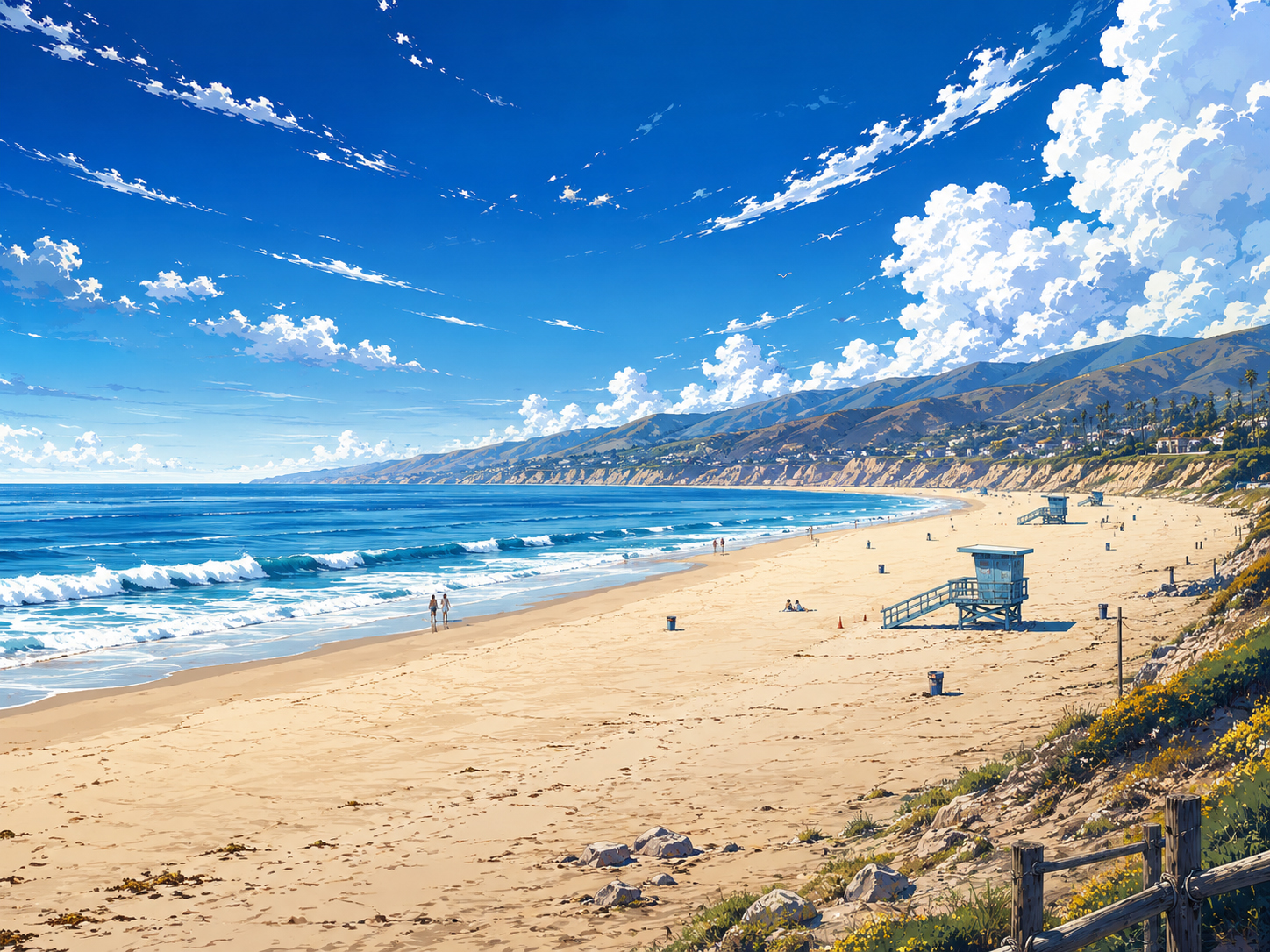
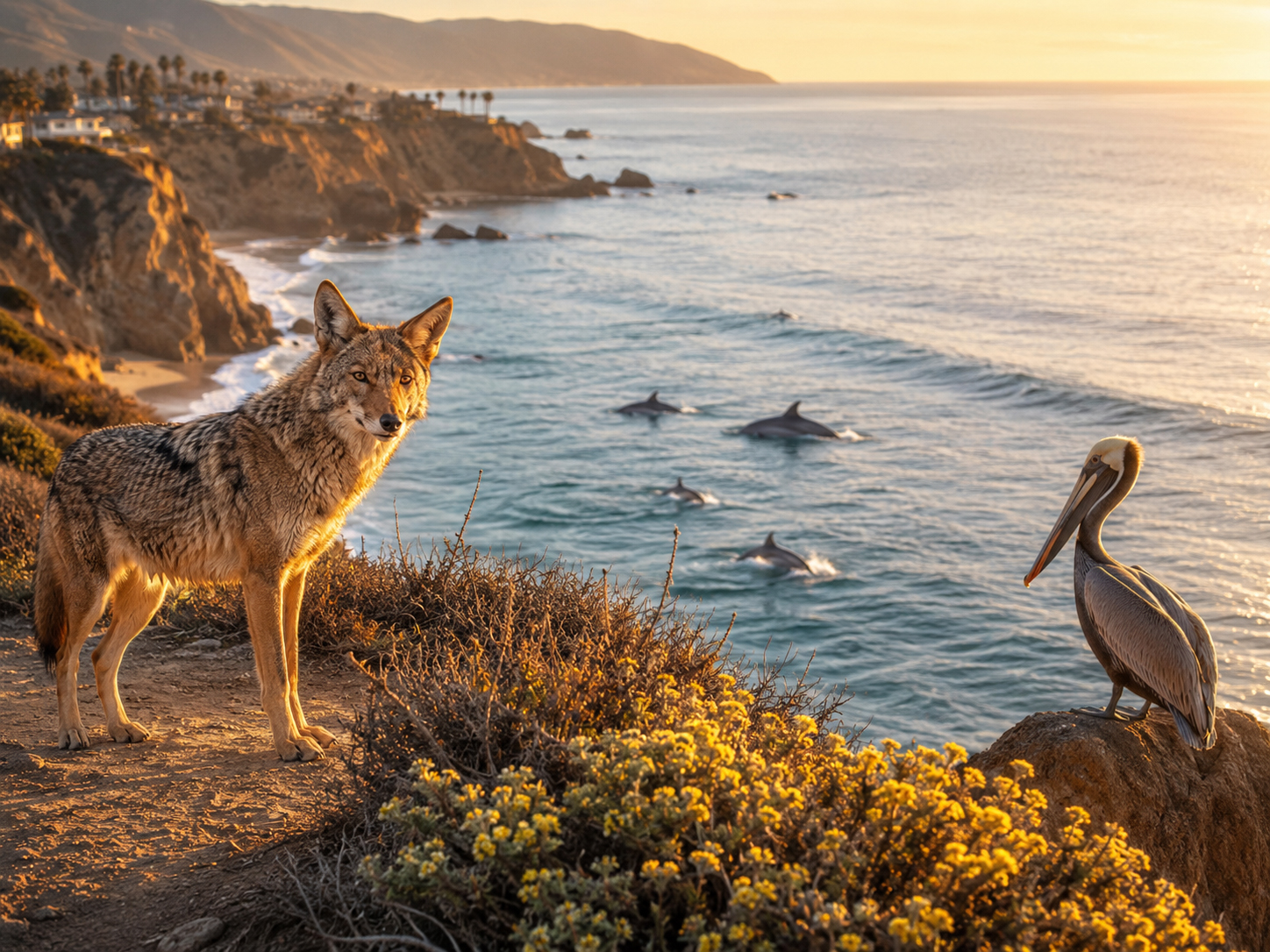
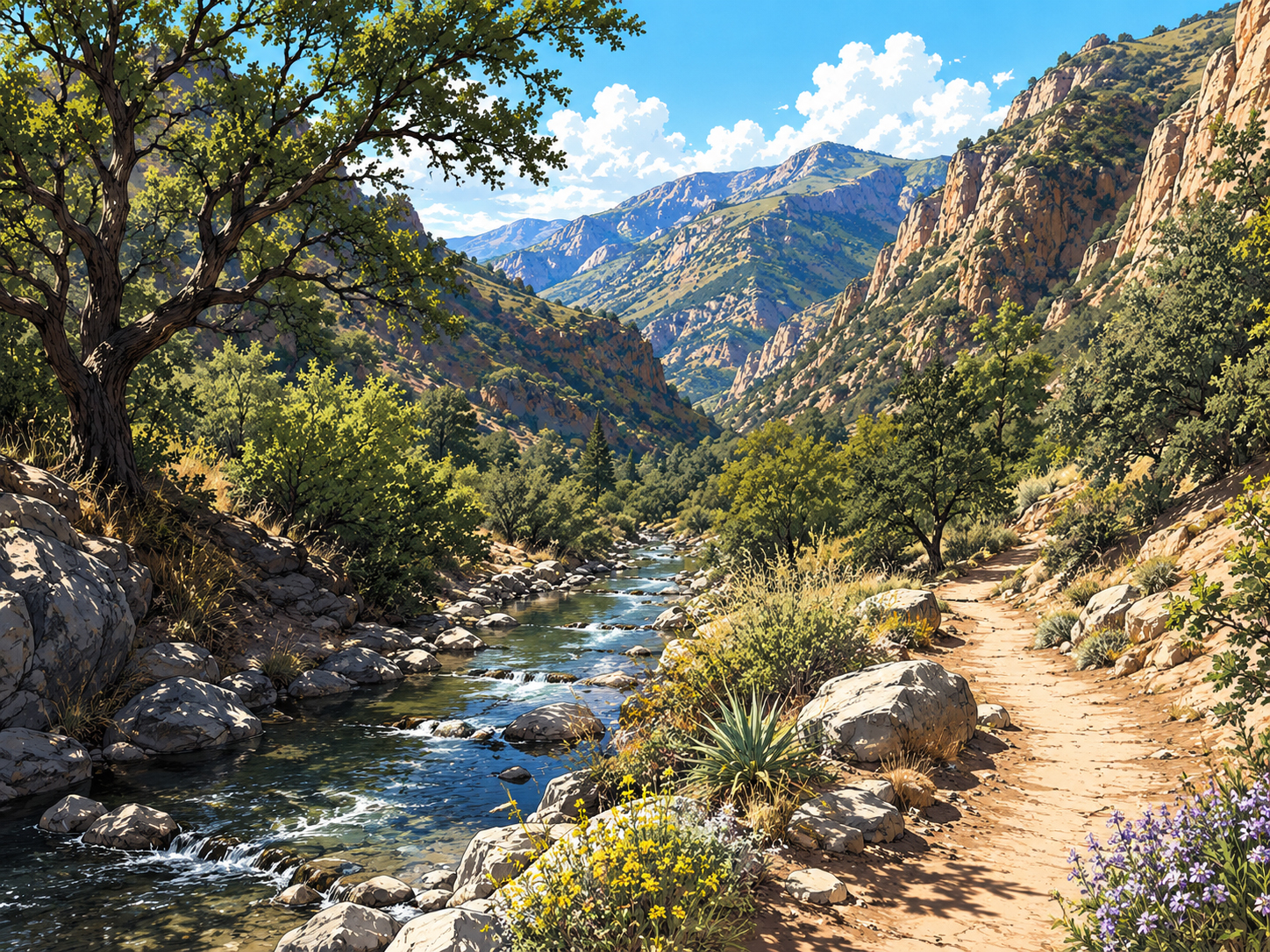
The polished version of Malibu is beaches, houses, restaurants, and PCH. The real version includes a living edge between ocean, lagoon, creek, chaparral, canyon, and neighborhood. That edge is why visitors may see pelicans, gulls, egrets, dolphins, mule deer, coyotes, bobcats, snakes, lizards, hawks, and sometimes signs of larger predators.
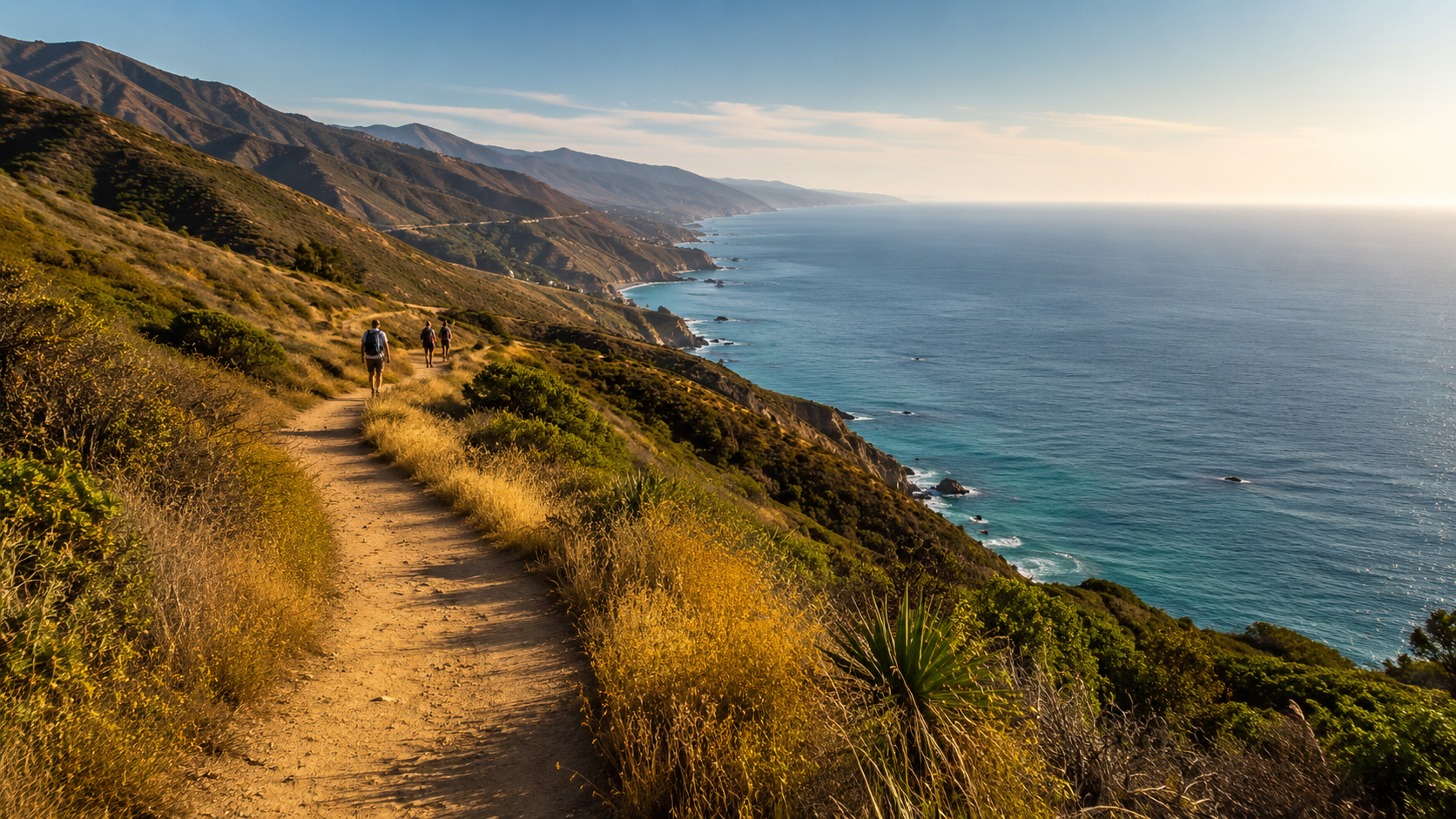
The Santa Monica Mountains National Recreation Area describes the area as a place with beaches, more than 500 miles of trails, and surprisingly wild spaces close to Los Angeles. That is the Malibu wildlife sentence in plain English: the city is next to a national-scale habitat system, not a theme park.
The MalibuDaily wildlife rule
Look. Do not feed. Keep distance. Secure trash. Watch small pets. Stay on trails. Do not turn a wild animal into content, a mascot, or a snack-dependent neighborhood employee.
The usual cast
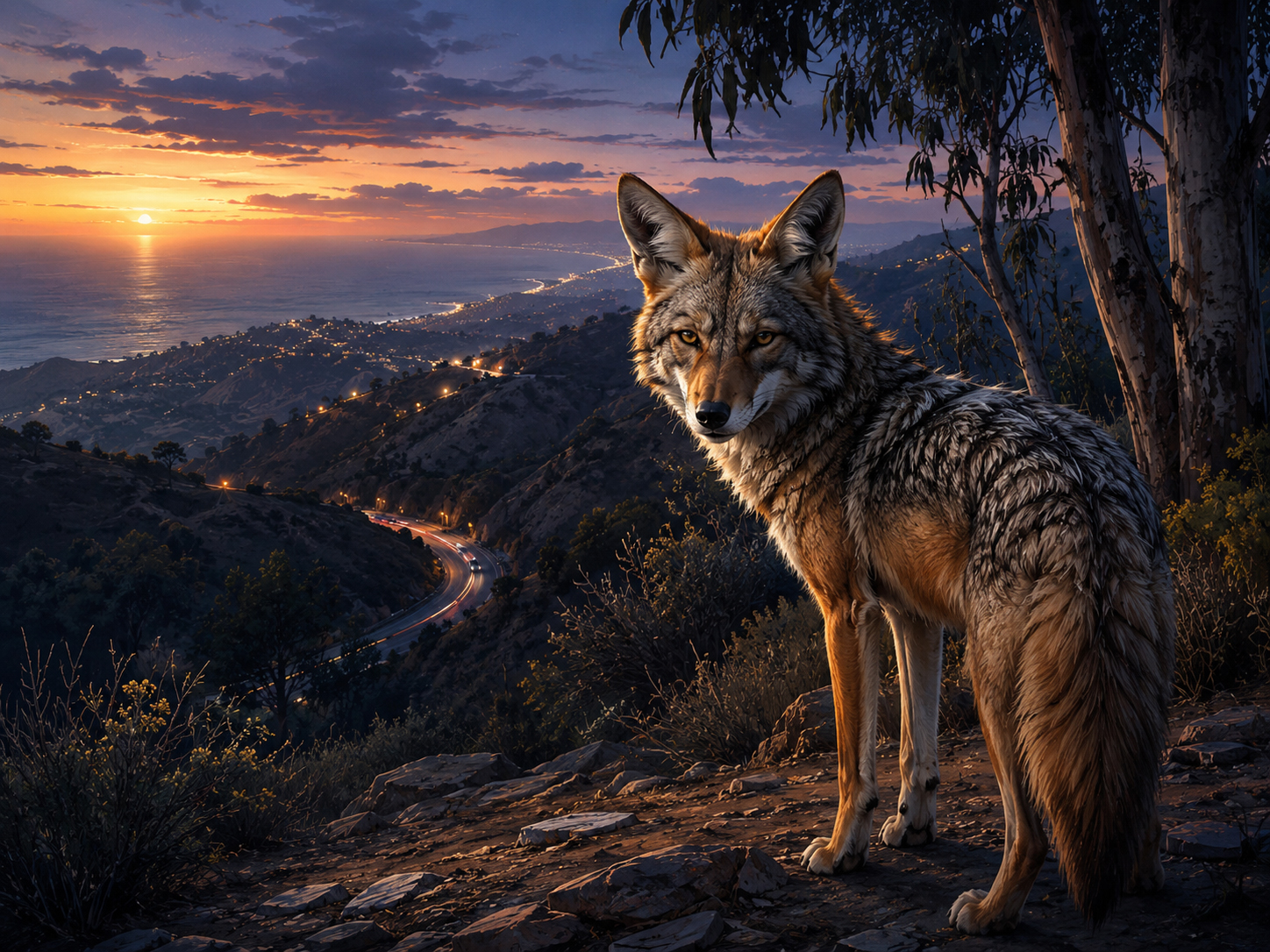
Coyotes: the dusk supervisors
Coyotes are part of the Southern California urban-wildland story. In Malibu, they may appear near canyon roads, trails, neighborhoods, and quiet edges where food or cover is available. The practical guidance is simple: do not feed them, do not leave pet food outside, secure trash, keep small pets supervised, and give coyotes room to remain wild.
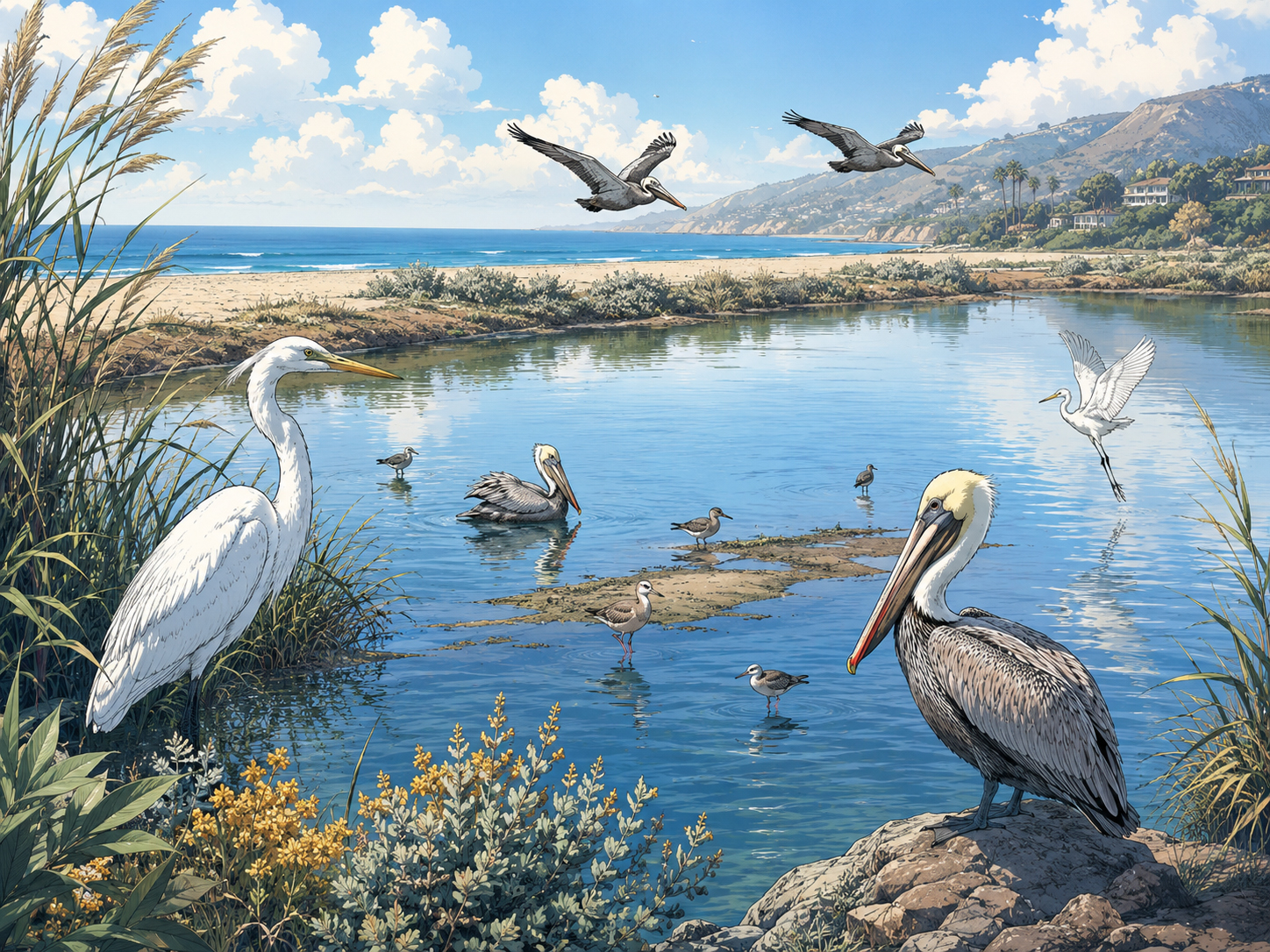
Lagoon birds: Malibu’s feathered planning commission
Malibu Lagoon is a major visual reminder that the coast is a working habitat. Birds gather, feed, move, and rest in wetland and shoreline zones that may look like open scenery to visitors but function as living space. The best behavior is quiet observation from appropriate paths and overlooks, without chasing, crowding, or letting dogs push wildlife off resting areas.
Marine life: the ocean has its own cast
Dolphins, seabirds, fish, tidepool creatures, and nearshore marine life are part of the Malibu experience. From shore, the safest viewing method is patient distance: scan beyond the break, watch bird behavior, and leave tidepool animals attached, wet, and undisturbed. The beach is not a souvenir counter.
Mountain lions and bobcats: mostly unseen, very real
National Park Service research in the Santa Monica Mountains has tracked carnivores such as bobcats, coyotes, gray foxes, and mountain lions to understand how urbanization, roads, and fragmented habitat affect survival. For Malibu residents and visitors, the takeaway is not panic. It is respect: roads, development, pets, trash, and nighttime activity all shape how wildlife navigates the coast-mountain edge.
Pet rule, Malibu edition
Small pets should not be left outside unattended, especially at dawn, dusk, or night. Dogs belong on leash where required. Wildlife does not understand your dog’s “good energy.”
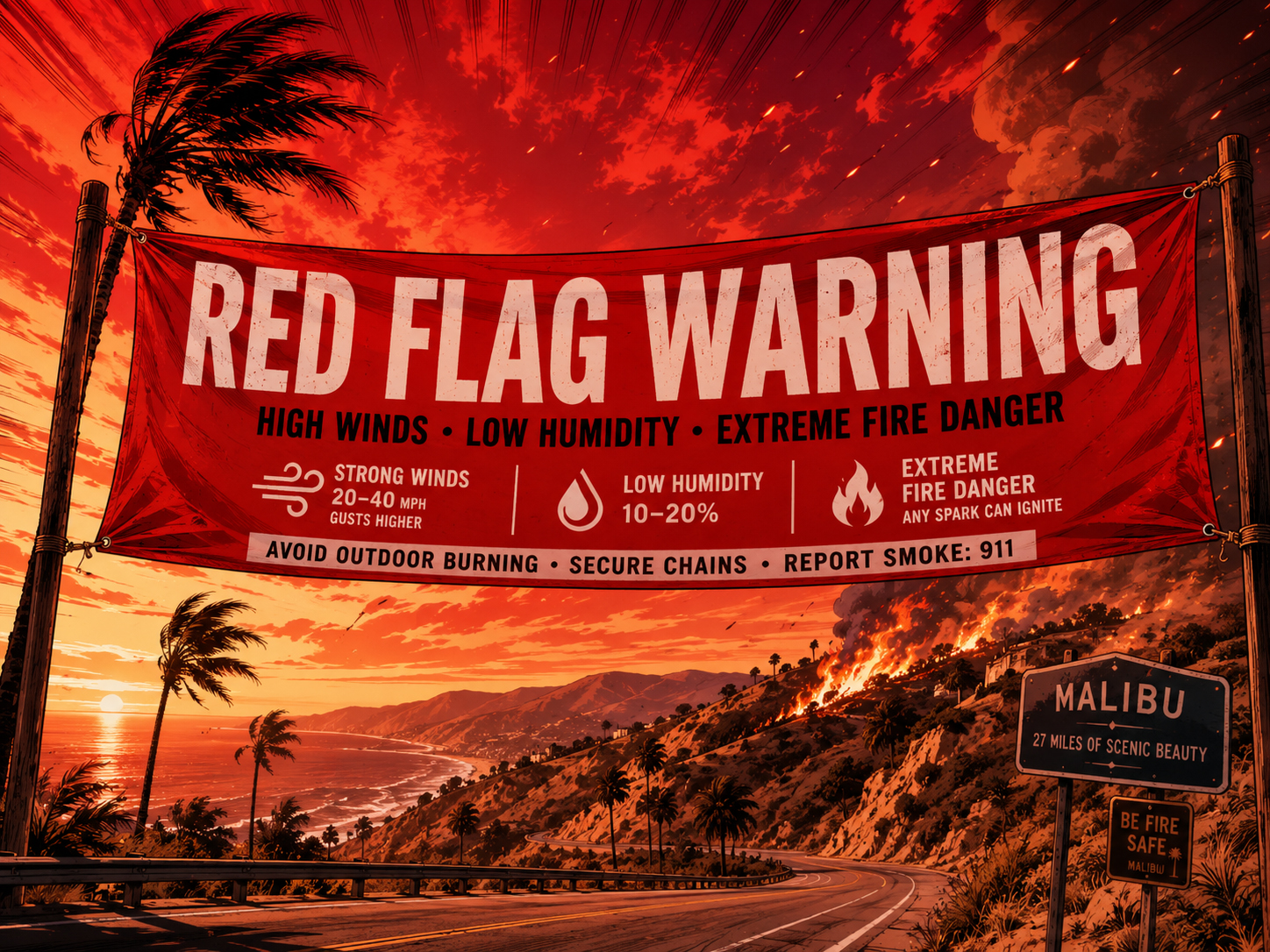
Fire changes the map
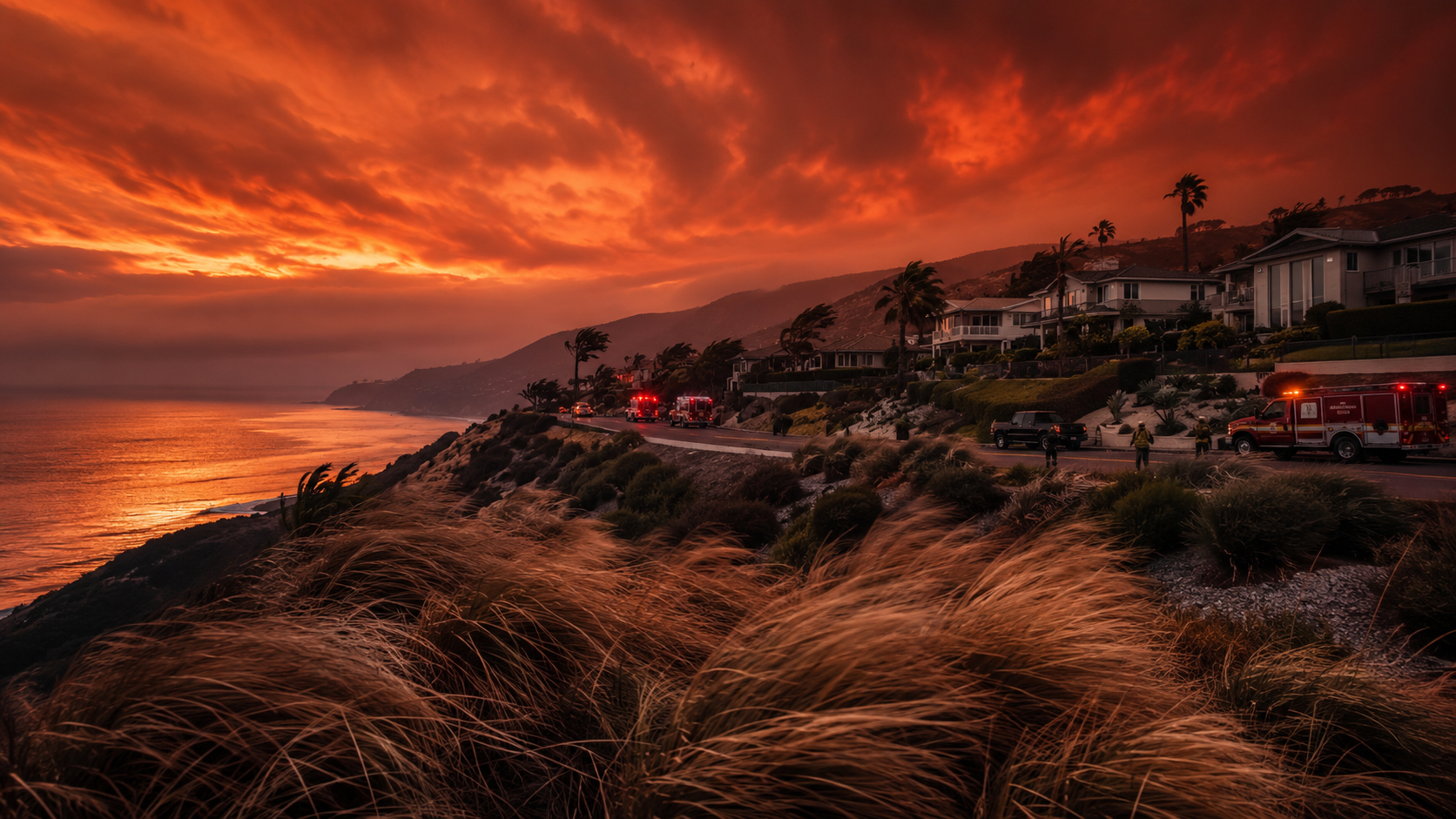
Wildfire and post-fire recovery can shift wildlife movement. Animals may move through neighborhoods after habitat disturbance, while burned areas need time before people treat them like normal recreation zones again. Malibu’s fire story is also a wildlife story: brush, water, cover, roads, and evacuation routes all matter to humans and animals.
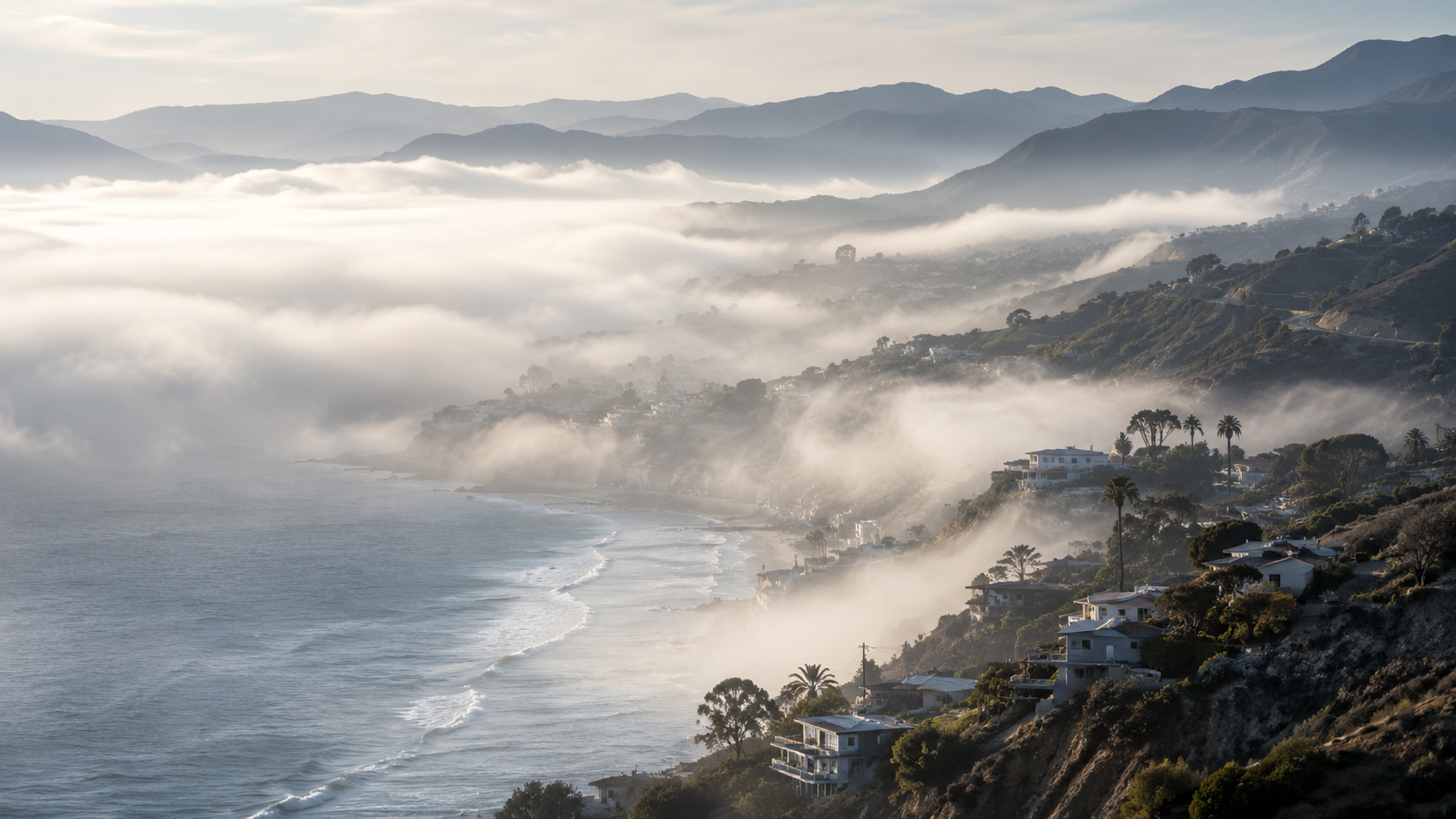
How to behave when Malibu gets wild
- Do not feed wildlife. Feeding teaches dangerous behavior and can get animals killed.
- Secure trash and food. Wildlife follows calories, not property lines.
- Keep distance. Use zoom, binoculars, and patience instead of crowding.
- Control pets. Small animals can become prey; off-leash dogs can disturb wildlife.
- Stay on trails. Chaparral habitat is not empty space. It is shelter.
- Drive carefully. Canyon roads and PCH can be deadly wildlife barriers.
The MalibuDaily summary
Malibu wildlife is not a side attraction. It is the original tenant. The polite visitor reads the room: the lagoon has birds, the canyon has eyes, the ocean has movement, and the coyote at dusk is not asking to be in your group chat.