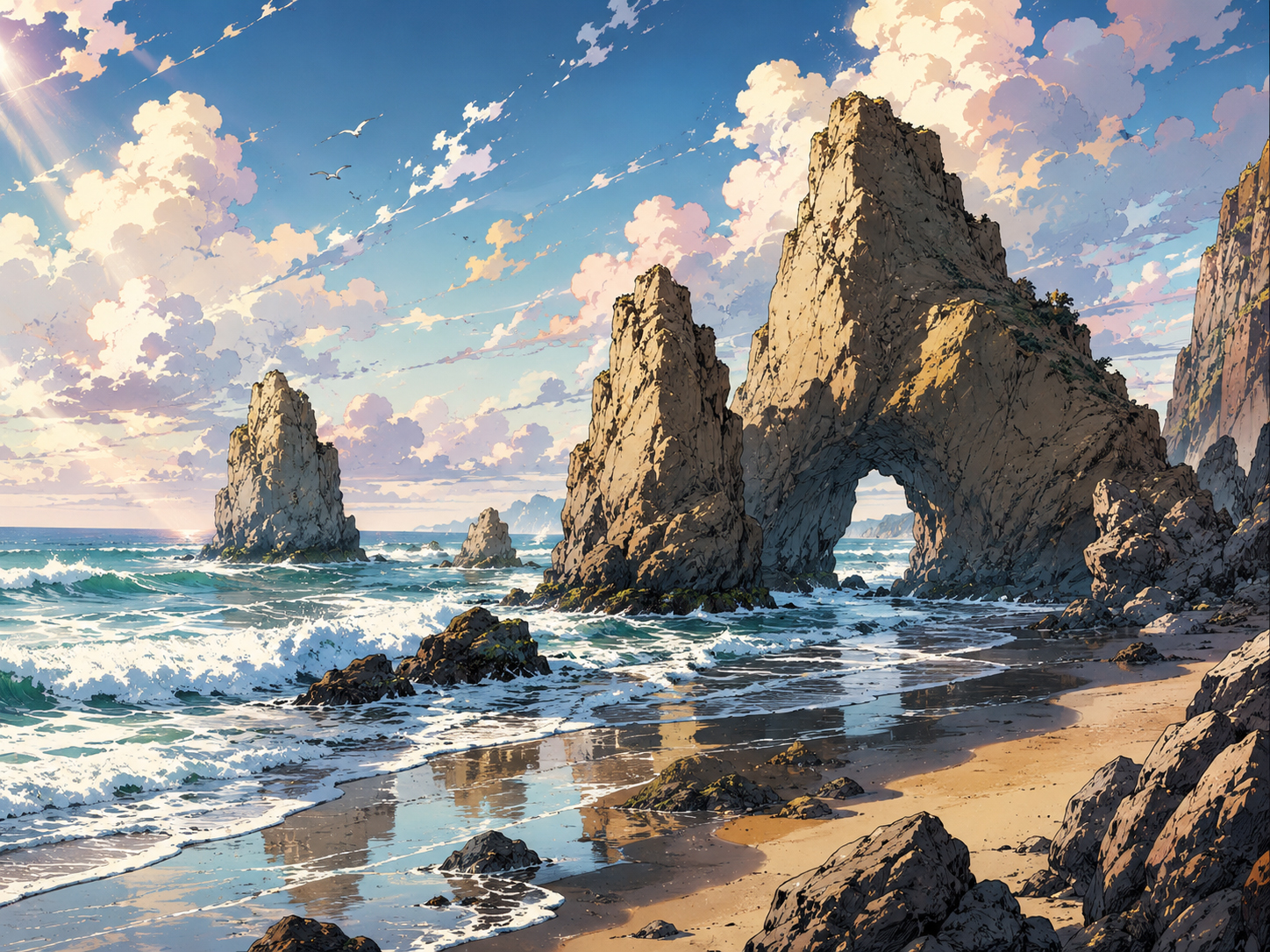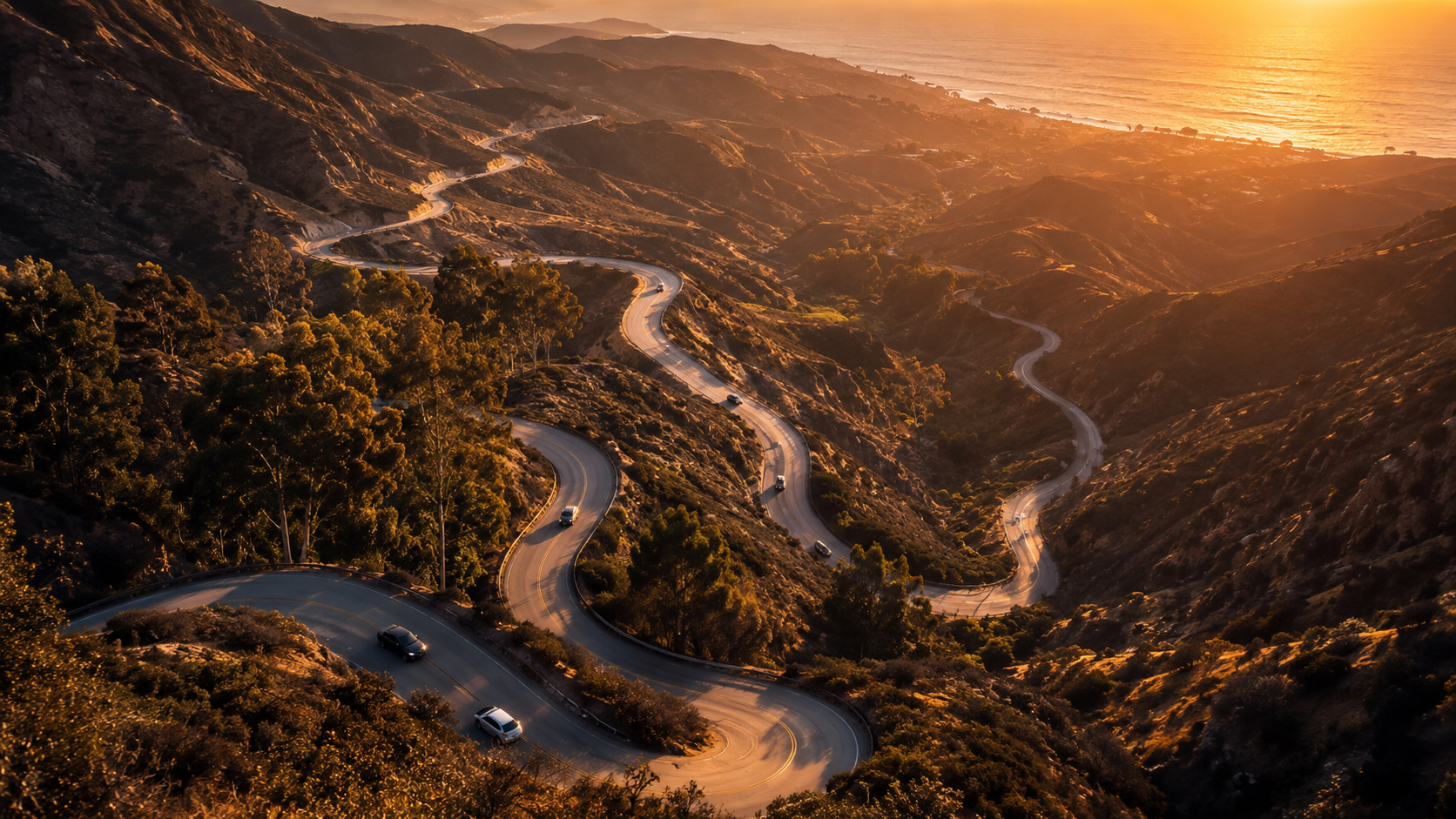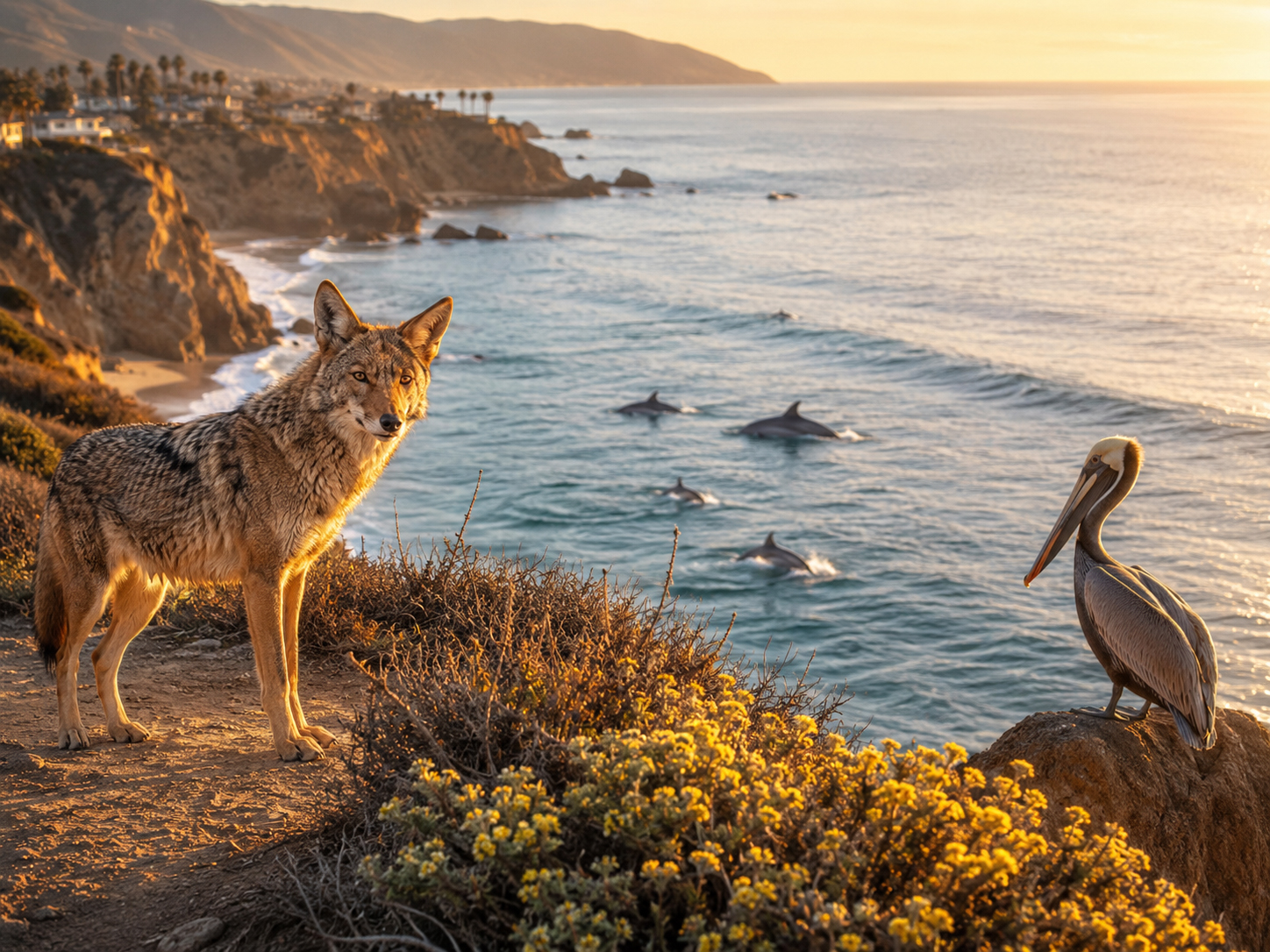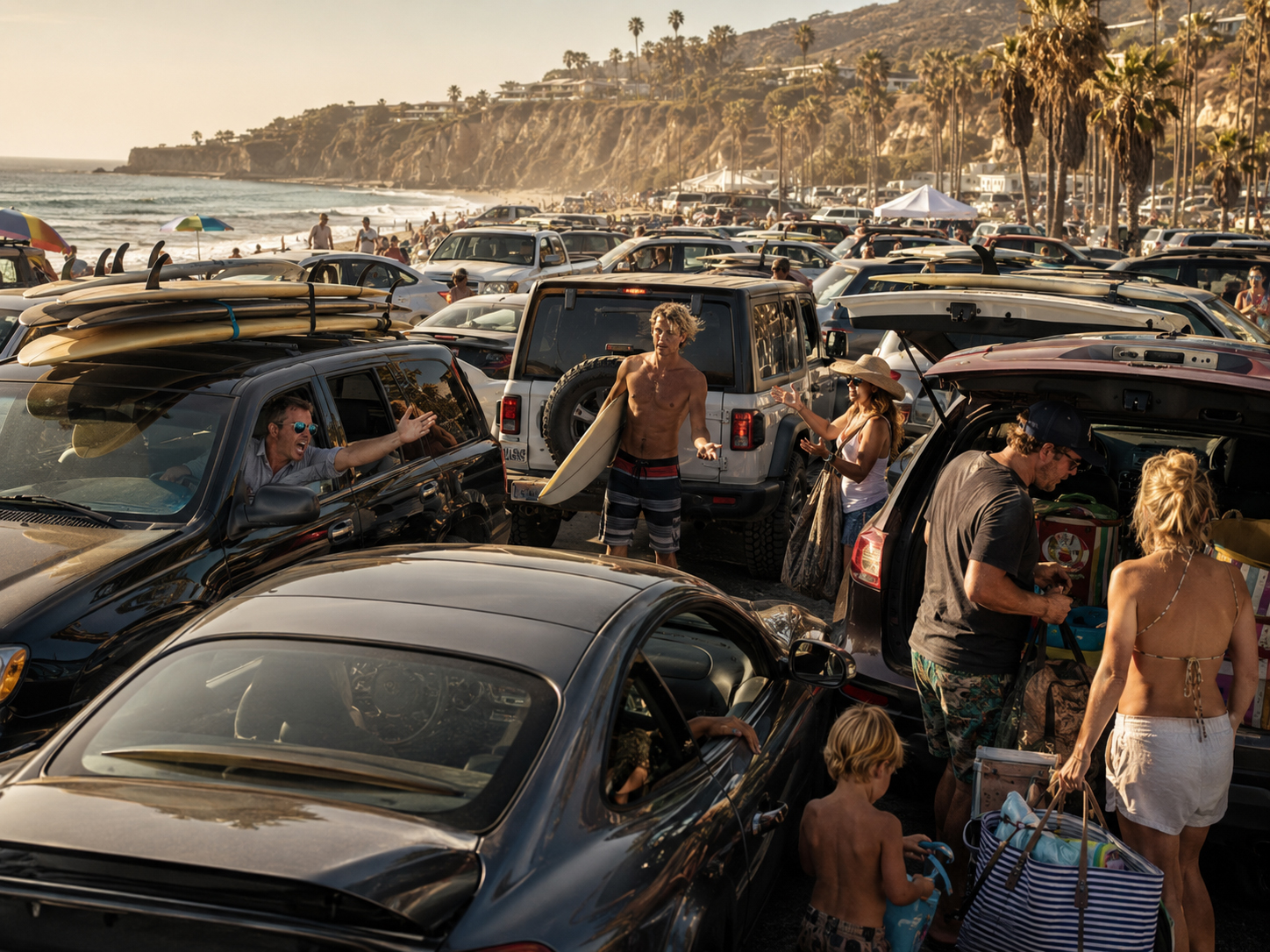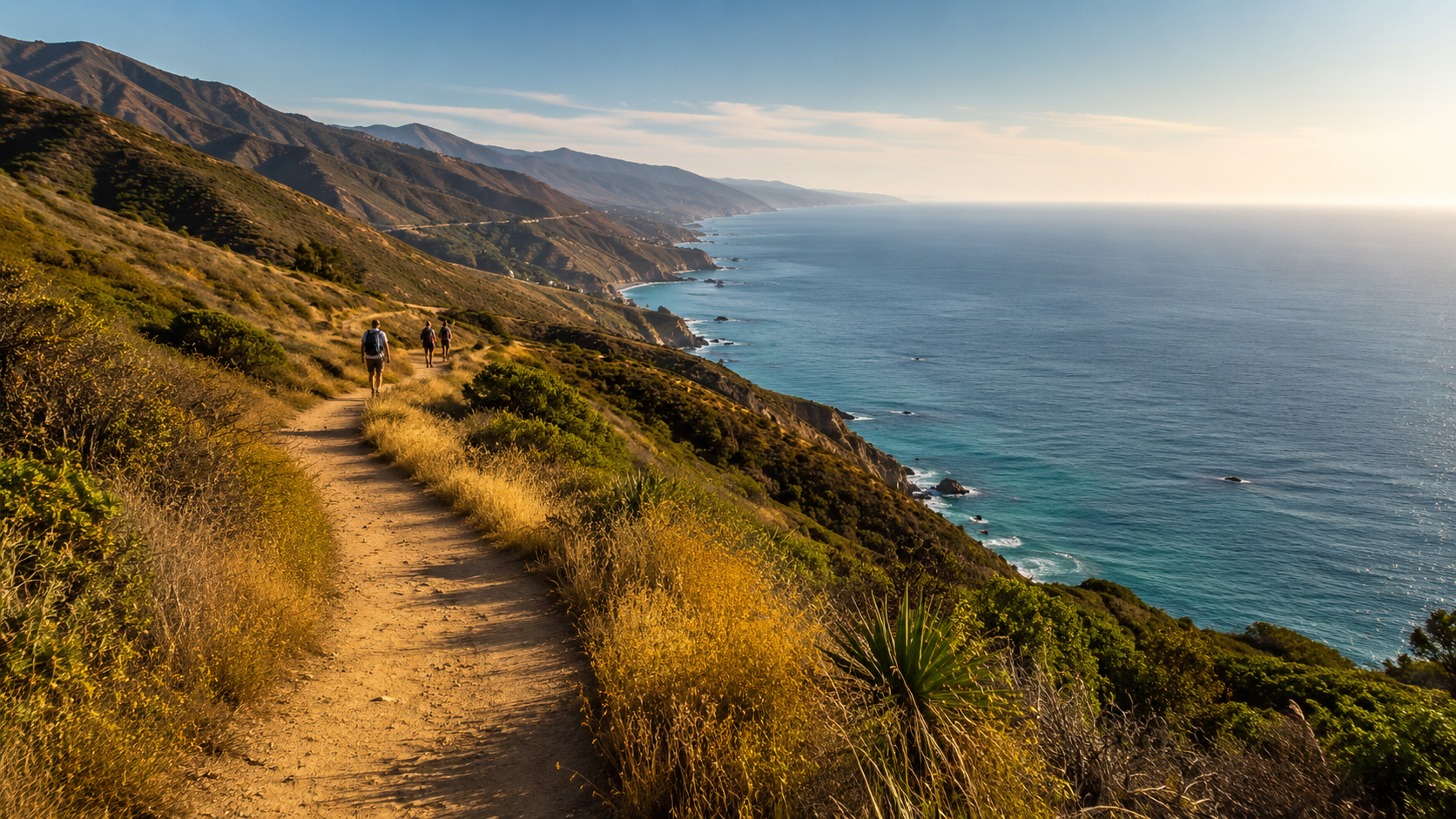
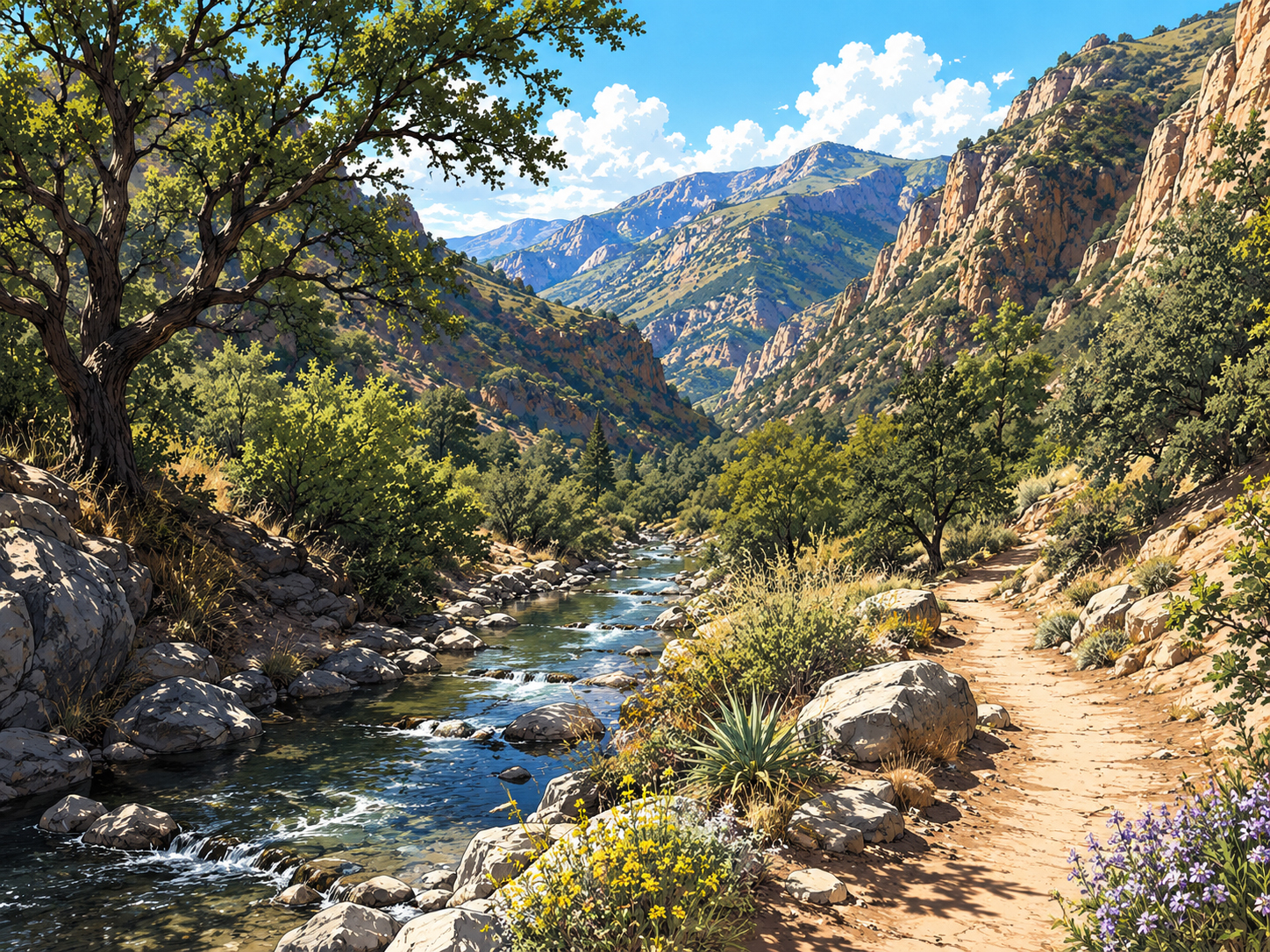
Malibu hiking starts with beauty, then asks whether you packed enough water.
The Malibu hiking experience can be gentle, dramatic, crowded, quiet, exposed, shaded, ocean-facing, canyon-deep, or all of those within the same afternoon. The coastline supplies the postcard. The Santa Monica Mountains supply the incline.
The best version of the day is planned: pick a trail that matches your group, check official park information, verify parking, start earlier on warm days, and leave room for PCH traffic on the way home.
Hiking Sensei’s first rule
The ocean view is free. The uphill return is not. Bring water, sun protection, real shoes, and a plan for getting back before heat, fog, darkness, or traffic takes over the story.
Point Dume: the bluff walk with a big payoff
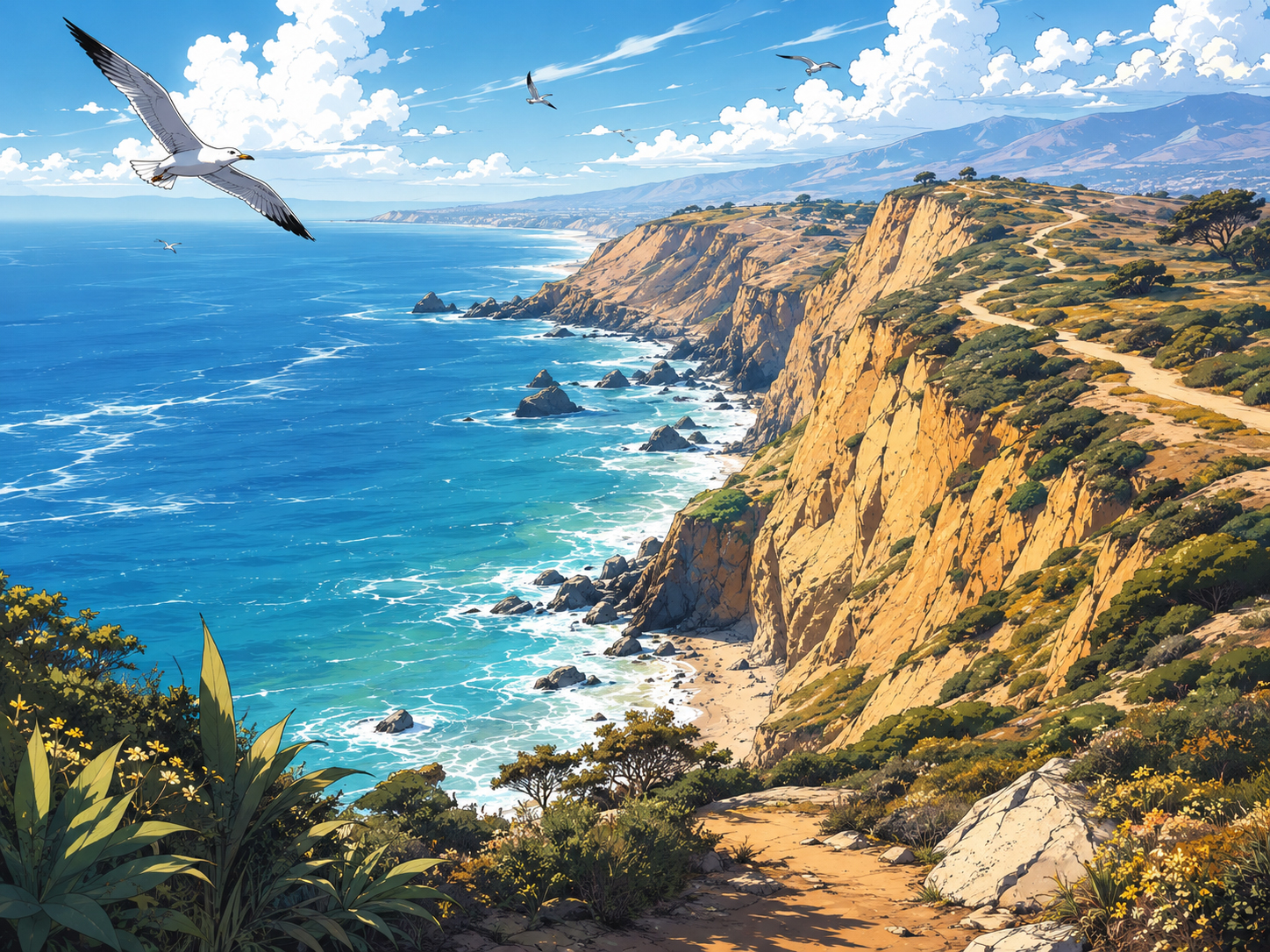
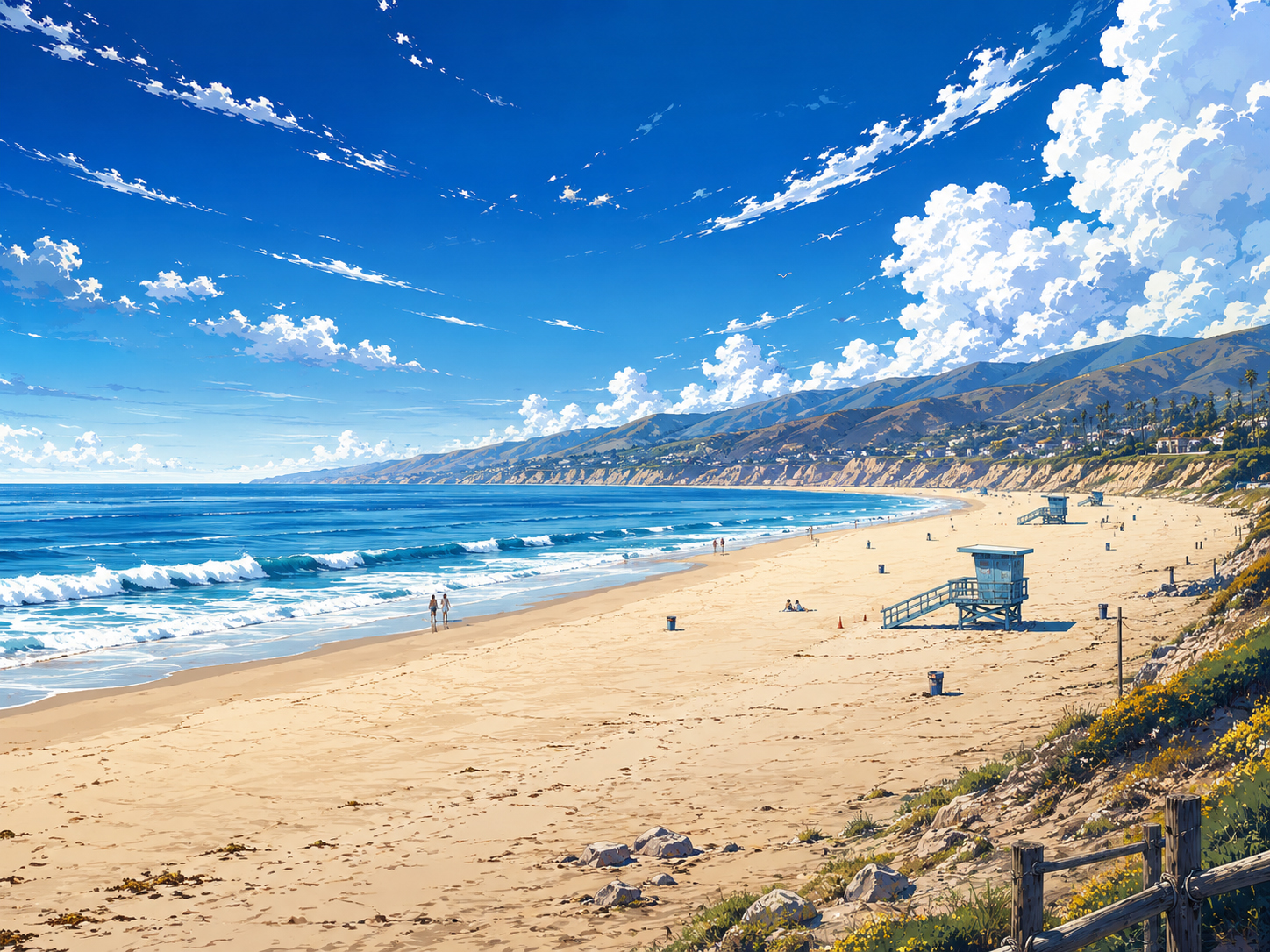
Point Dume is the cinematic Malibu bluff experience: ocean, cliffs, sand, and a short climb that feels larger than its mileage because the view is doing all the emotional work. It is best treated as a preserve, not a photo set. Stay on marked paths and respect sensitive habitat.
Solstice Canyon: shade, ruins, water, and crowds
Solstice Canyon is popular because it combines several Malibu trail ingredients in one place: canyon shade, coastal sage scrub, a creek corridor, the Rising Sun Trail, historic ruins, and a waterfall destination. It can feel easy at the start and warmer once the climb begins, so treat the short routes with respect.
Zuma and Trancas: canyon wildlife and open space
Zuma and Trancas Canyons are more spacious and less beach-postcard obvious. Look for chaparral, canyon birds, coyote tracks, spring wildflowers, and long stretches where the landscape feels larger than Malibu’s celebrity reputation. Trailheads and amenities vary, so check before you drive.
Before you choose a trail
Ask four questions: How hot will it be? Where is parking? Are dogs allowed on this route? Are there closures, red-flag warnings, mud issues, or fire restrictions today?
Malibu Creek: the canyon turns cinematic
Malibu Creek State Park is the inland chapter: rock pools, canyon walls, oak and sycamore areas, historic filming lore, birding, climbing, horseback riding, and trails that feel far removed from PCH even when the beach is not far away. It rewards visitors who bring patience and a map.
Topanga and the eastern edge
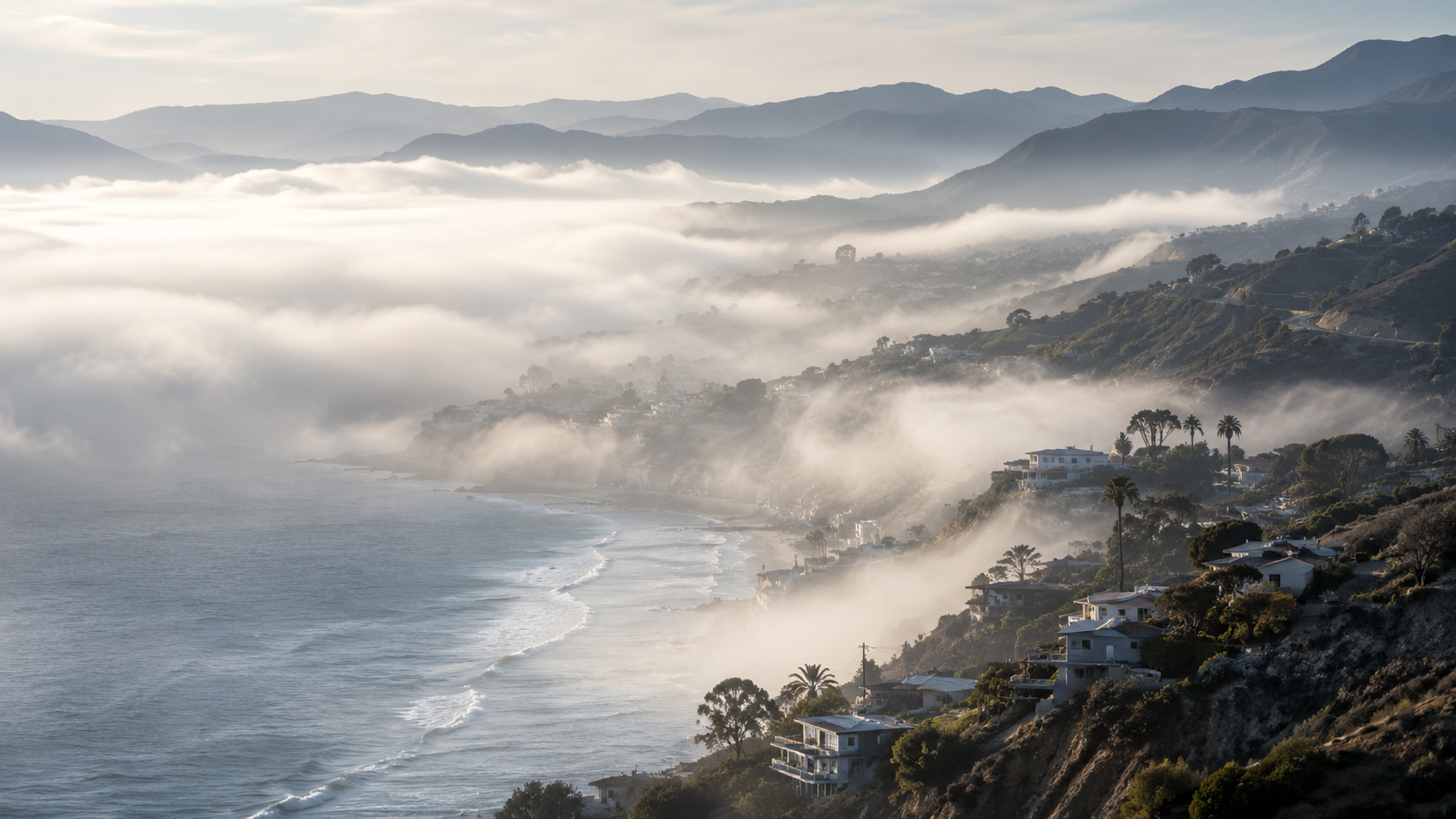
Topanga-area routes add another Malibu-adjacent mood: deeper canyon atmosphere, ridgelines, city-to-sea views, and trails where morning marine layer can become afternoon sun. Fog Princess may begin the hike; Sunburn Goblin may finish it.

Fire season changes hiking behavior
On red-flag days, high-wind days, extreme-heat days, and after recent storms, trails are not business as usual. Watch official alerts, respect closures, avoid ignition risks, and understand that canyon roads can become evacuation routes. The best hike is the one that does not make first responders’ day harder.
The MalibuDaily translation
Malibu hiking is not a single activity. It is a negotiation between ocean glamour, canyon reality, PCH logistics, parking math, weather mood swings, and your water bottle. Go early, stay aware, leave no mess, and let the trail be more important than the selfie.