Before the fences, before the movie stars, before PCH: the coast had a much older story.
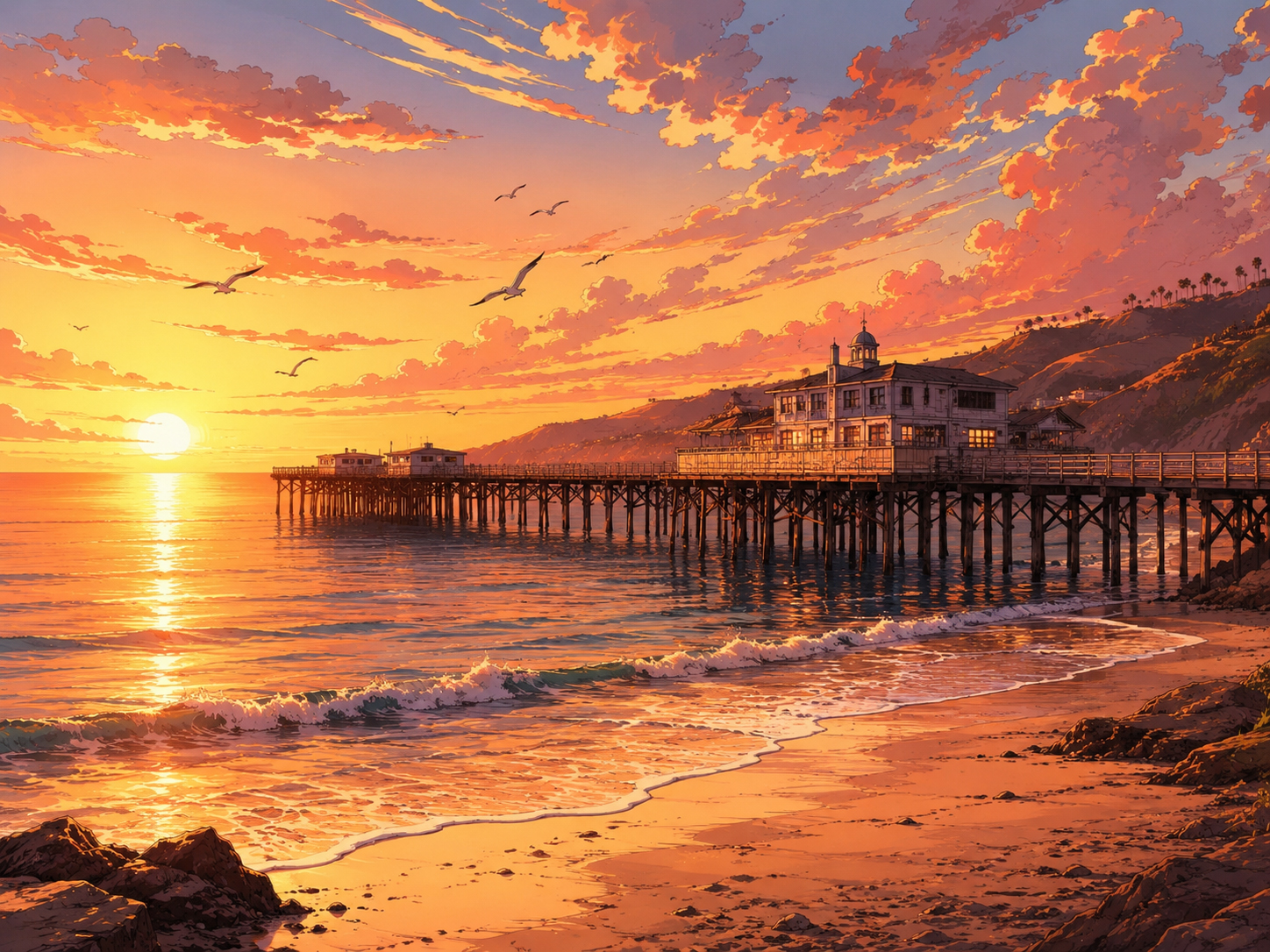
The Malibu area is part of the ancestral homeland of the Chumash people. The village name often associated with Malibu is Humaliwo, commonly translated as a place where the surf sounds loudly. That is the correct opening note: the sound of the coast came before the real estate brochure.
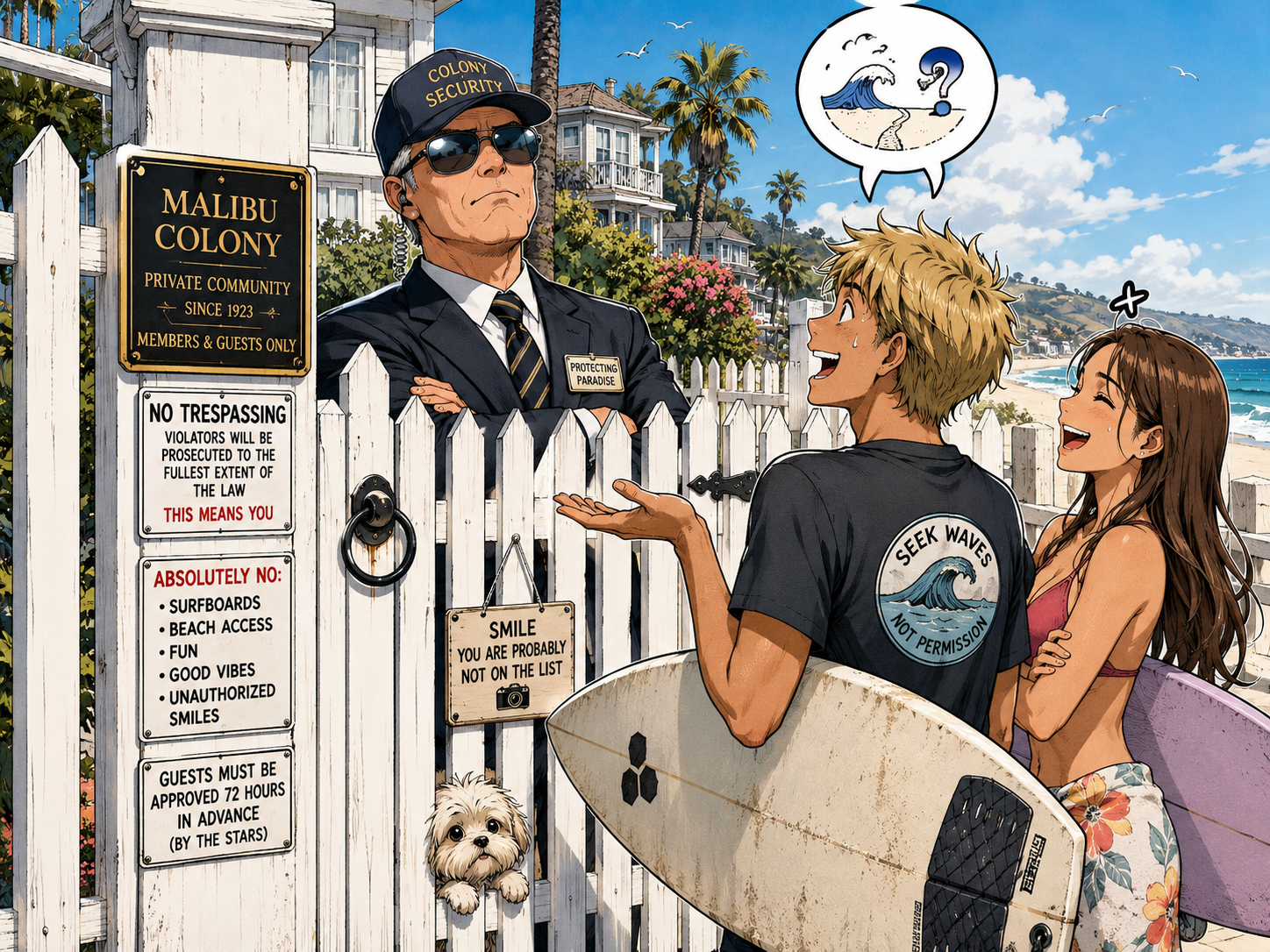
Later, Spanish and Mexican land-grant history reshaped the area into Rancho Topanga Malibu Sequit. The modern Malibu storyline then narrowed around a huge private holding, a powerful family, the fight over roads, and the slow opening of a coastline that many people still experience as half public, half guarded.
MalibuDaily translation
Malibu history is not just “rich people near the beach.” It is a layered land story: Indigenous presence, ranch ownership, access battles, architecture, surfing, fires, celebrity culture, and the public’s right to reach the ocean.
The Rindge chapter: private Malibu meets public pressure
Frederick Hastings Rindge and May Rindge are central to the modern Malibu plot. The Rindge family controlled a vast stretch of coastline and canyon land, fought outside access, and became tied to the legal and cultural battle over whether Malibu would remain a private coastal kingdom or become part of California’s road-and-beach system.
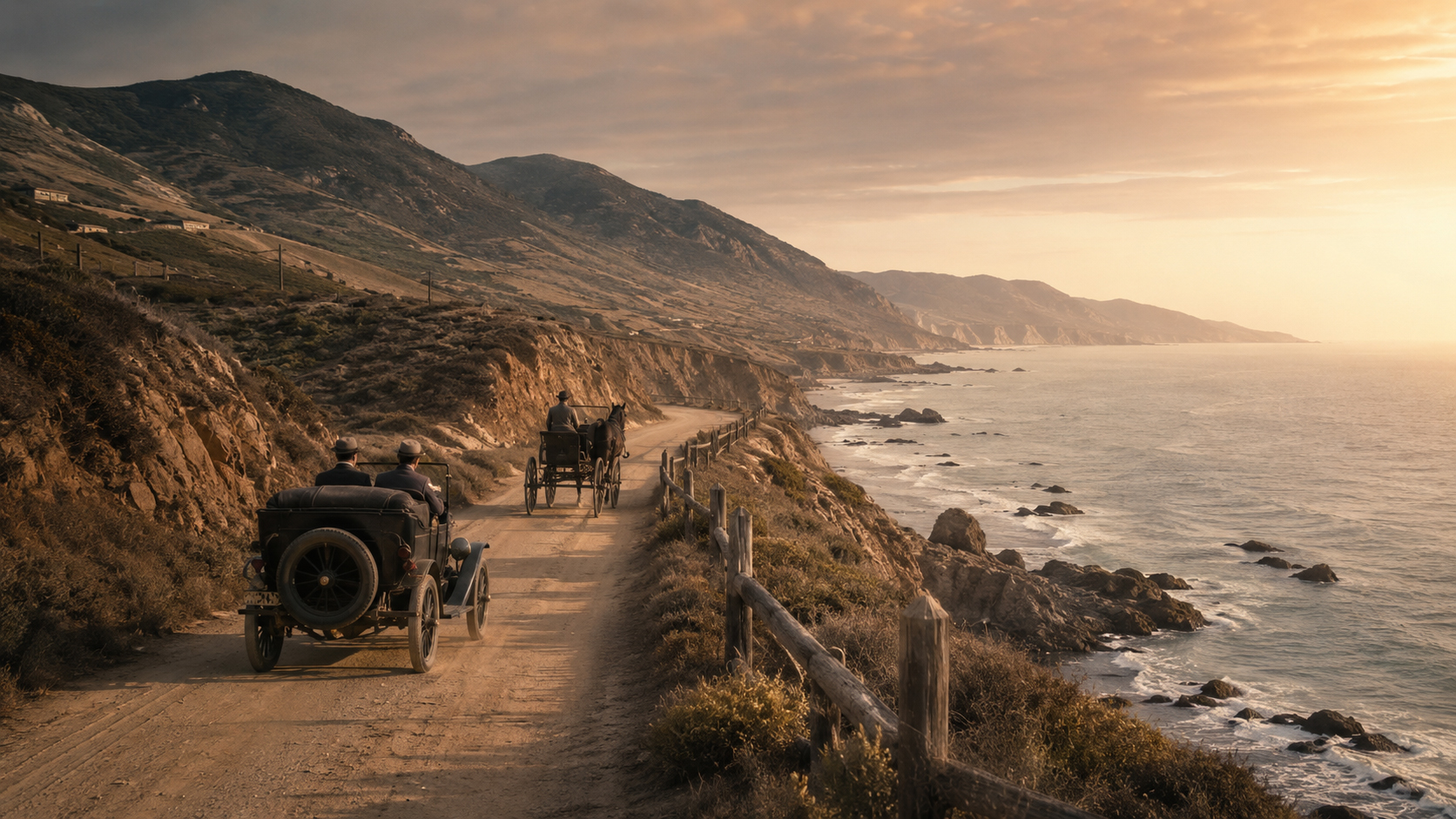
California State Parks notes that Rindge described the Malibu coast as the “American Riviera,” while also describing an era when there were no roads into Malibu and access depended on horseback, boat, wagons, and low tide. That image is pure Malibu origin drama: spectacular coast, difficult access, and everyone arguing about how to get there.
Adamson House: tile, architecture, and layered memory
Adamson House, built in 1929 by Rhoda Rindge Adamson and Merritt Adamson, anchors a very visible piece of Malibu history near Malibu Lagoon. The site connects Chumash history, Rindge family land, Malibu Potteries tile, coastal architecture, and the Malibu Lagoon Museum into one place where the town’s layers are easier to understand.
PCH arrives, and Malibu changes forever
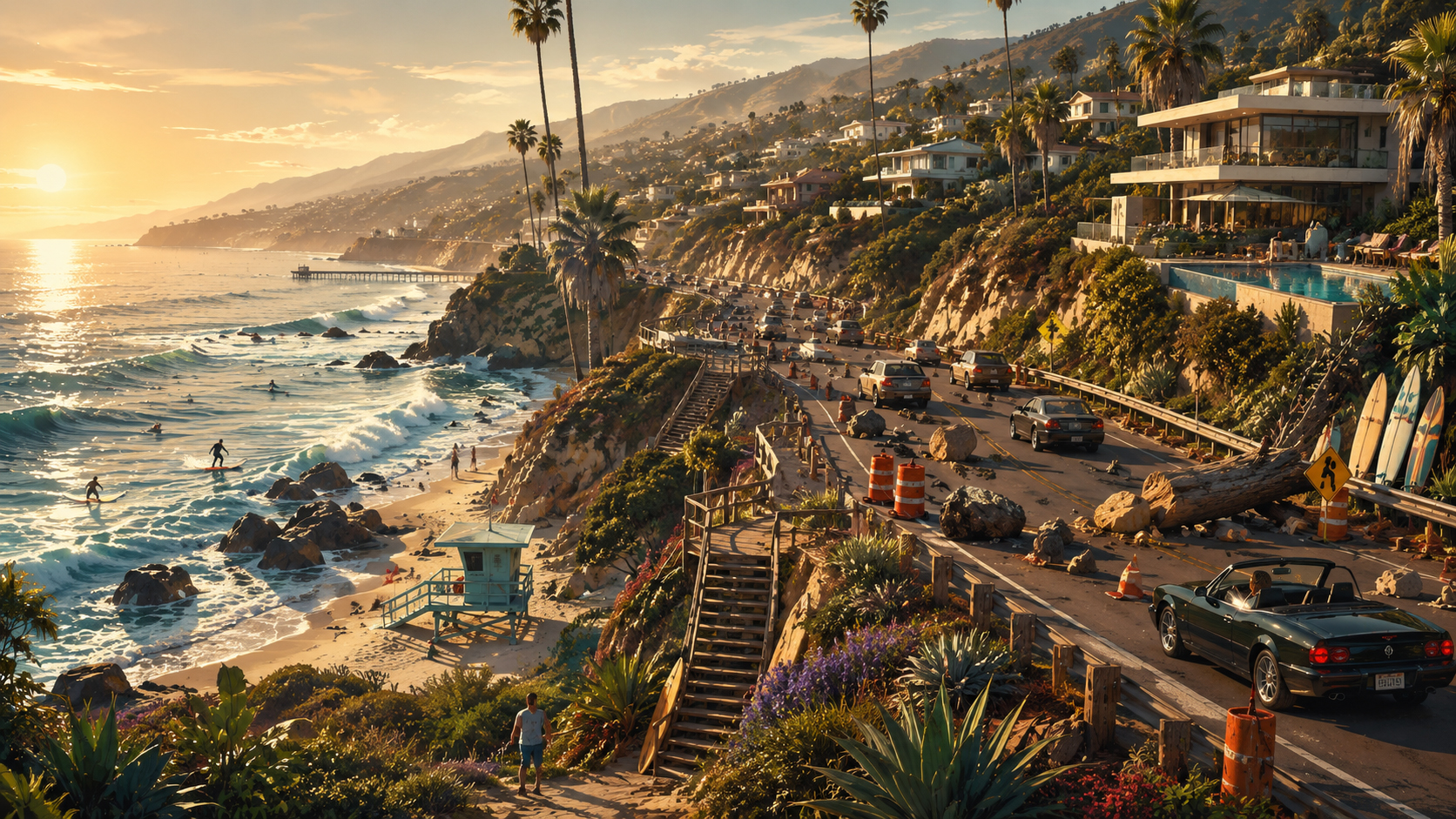
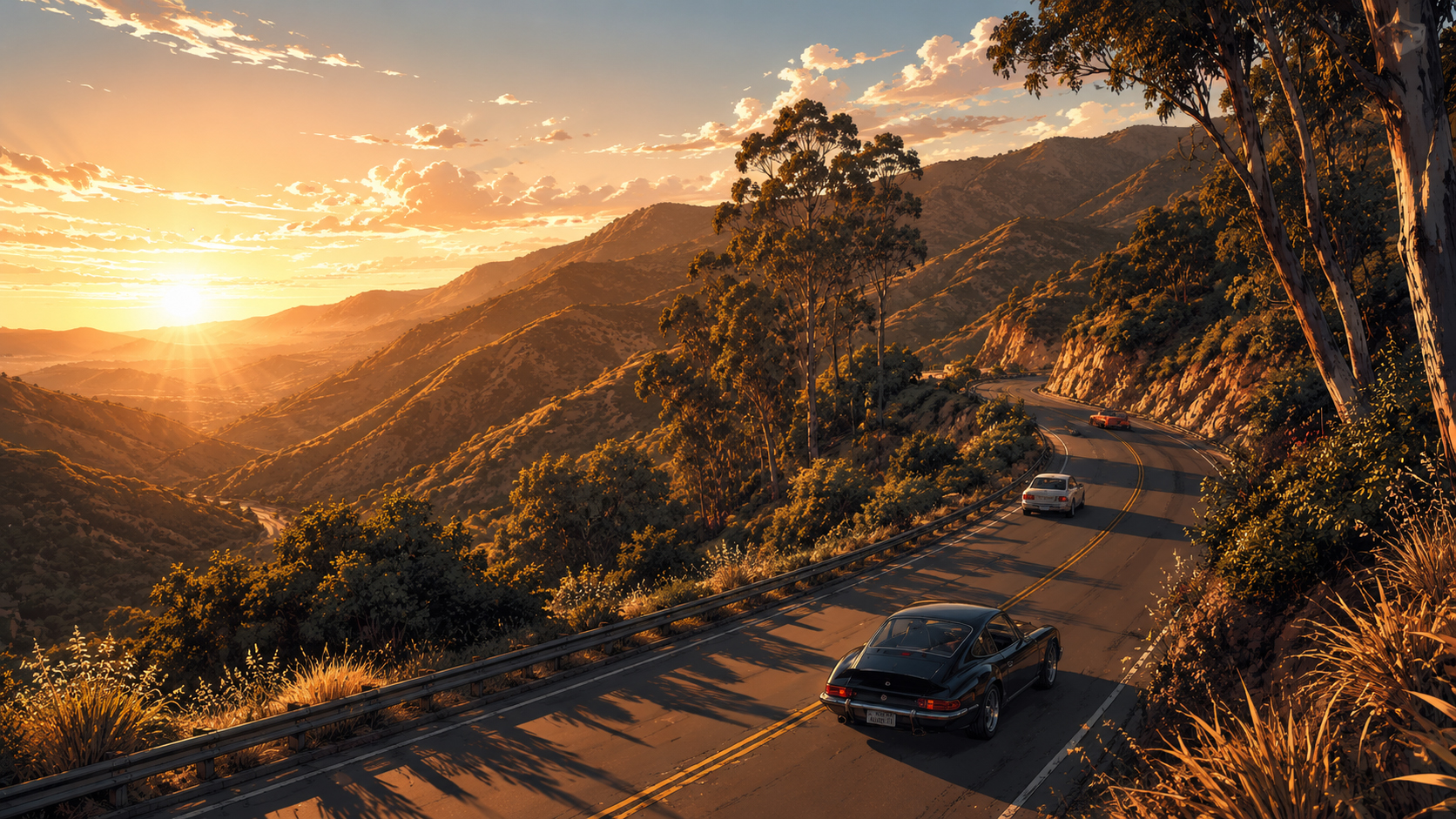
The Pacific Coast Highway transformed Malibu from difficult-to-reach coastline into a long, linear public stage. It brought access, visitors, development pressure, and the modern traffic opera. The same road that democratized the coastline also became the source of noise, danger, congestion, and weekend comedy.
Chumash communities lived along the coast and lagoon landscape long before Malibu became a rancho, road, or city.
Spanish and Mexican land-grant history shaped the area later known as Rancho Topanga Malibu Sequit.
The Rindge family controlled large coastal holdings and fought to keep Malibu private and difficult to cross.
Adamson House was built, leaving one of Malibu’s most important architectural and cultural landmarks.
The coast road opened Malibu to the wider public and locked the town into its famous traffic-and-access identity.
Hollywood figures helped build the beach-colony mythology that still shadows Malibu’s image.
Today Malibu balances beaches, homes, conservation, fire risk, visitors, traffic, and coastal access law.
Movie Colony, surf culture, and the making of the Malibu myth
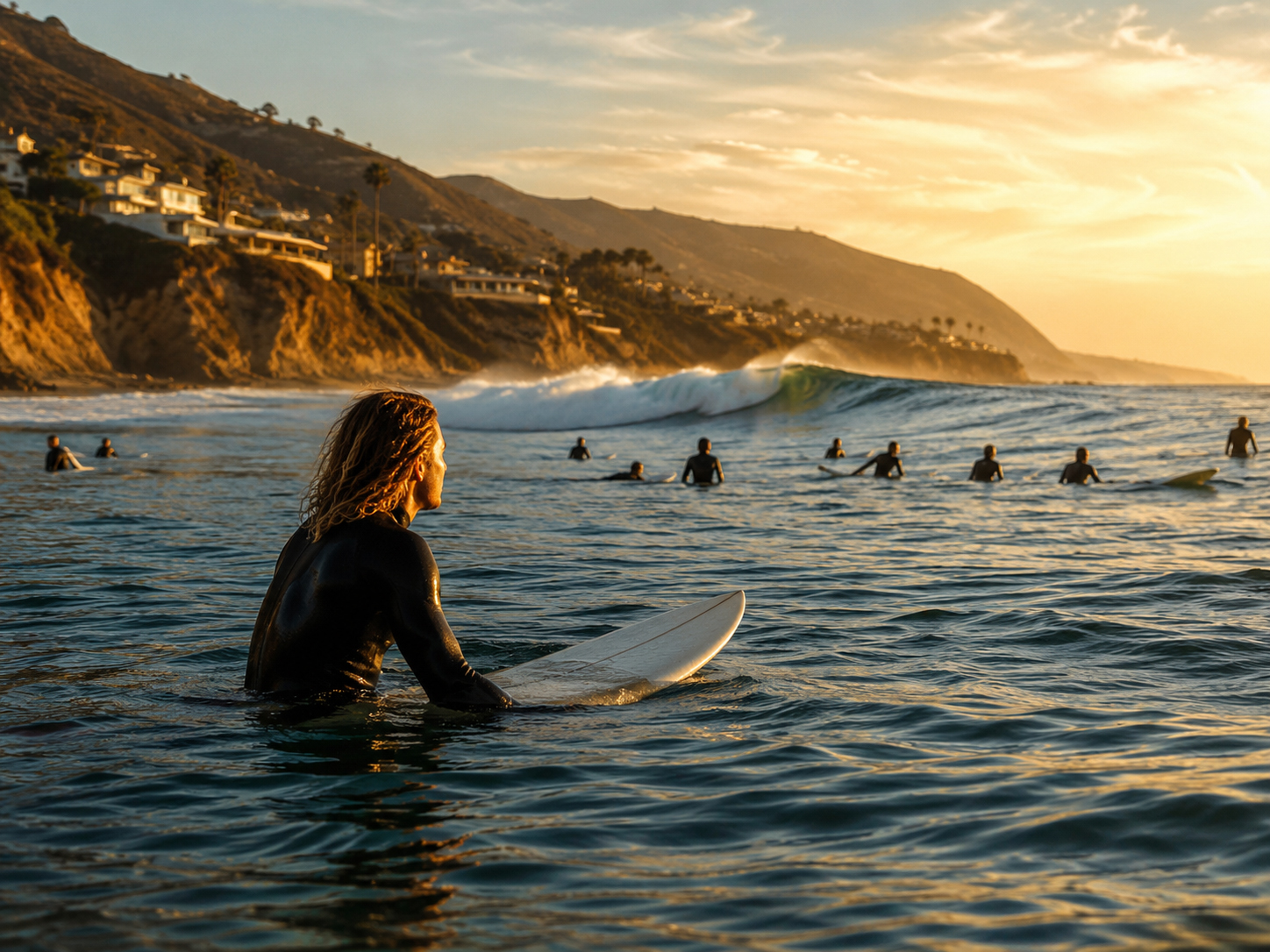
Once roads and leases opened more possibilities, Malibu became a beach retreat for film people, writers, surfers, and the privacy-seeking wealthy. The movie-colony era helped transform Malibu from remote coast to dream address. Surf culture then gave it another identity: not only a place to own, but a place to paddle out, wait, watch, and earn your position in the lineup.
Fire, canyon life, and the modern Malibu bargain
Modern Malibu history cannot be separated from wildfire. The same canyon beauty that makes Malibu feel magical also creates evacuation, insurance, rebuilding, and defensible-space realities. Malibu is never only oceanfront glamour. It is also wind, brush, canyon roads, red-flag warnings, and community memory of loss and rebuilding.
The useful history lesson
To understand Malibu, do not start with celebrity houses. Start with the lagoon, the canyon, the road, the fire map, and the public stairway. The glamour makes more sense after that.
The MalibuDaily summary
Malibu’s history is a fight over how beauty is shared. The coastline attracted people because it was extraordinary. The question has always been who controls access, who carries risk, who tells the story, and who gets to stand by the water when the sun goes down.