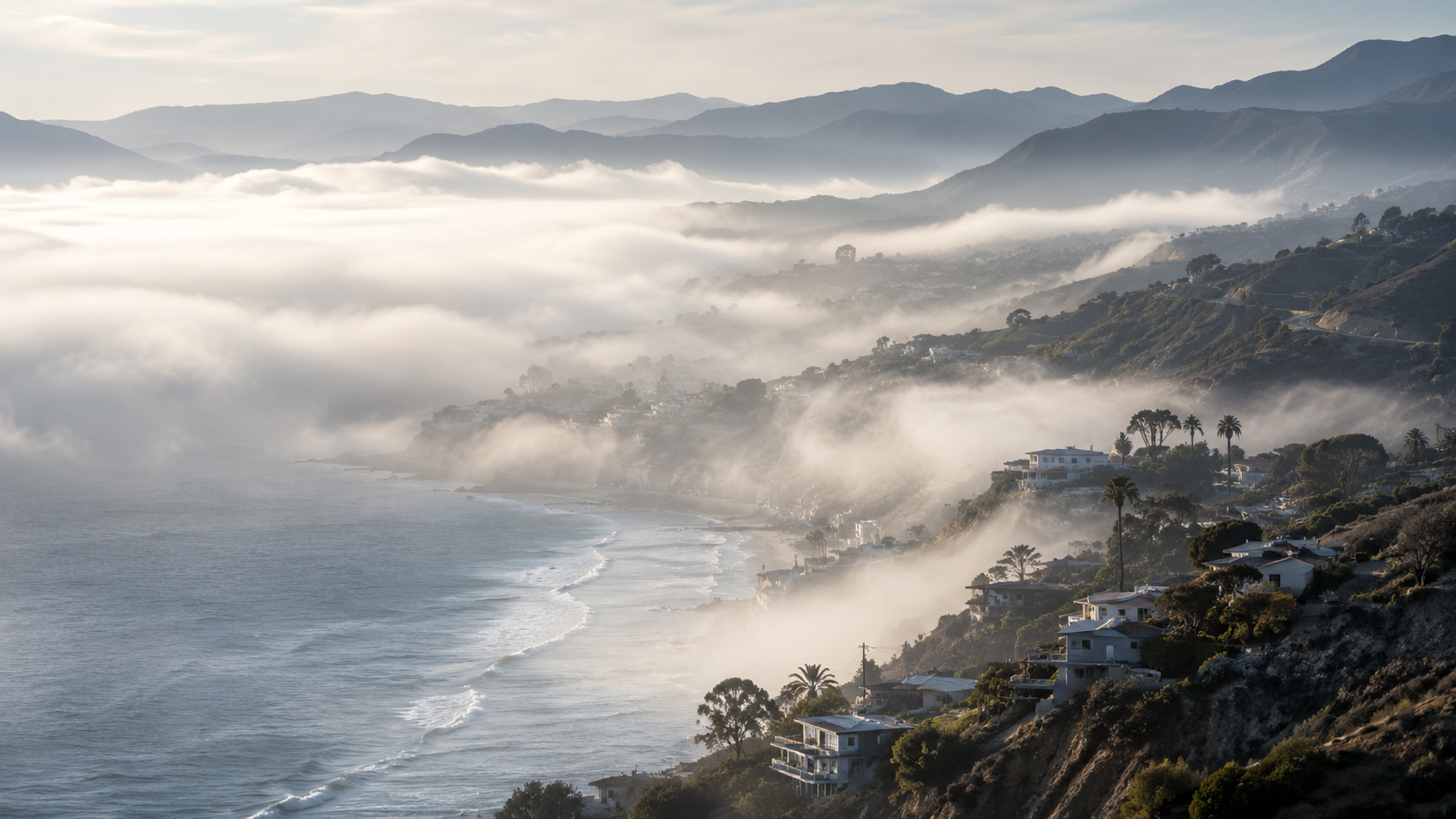

Why Malibu mornings often start gray.
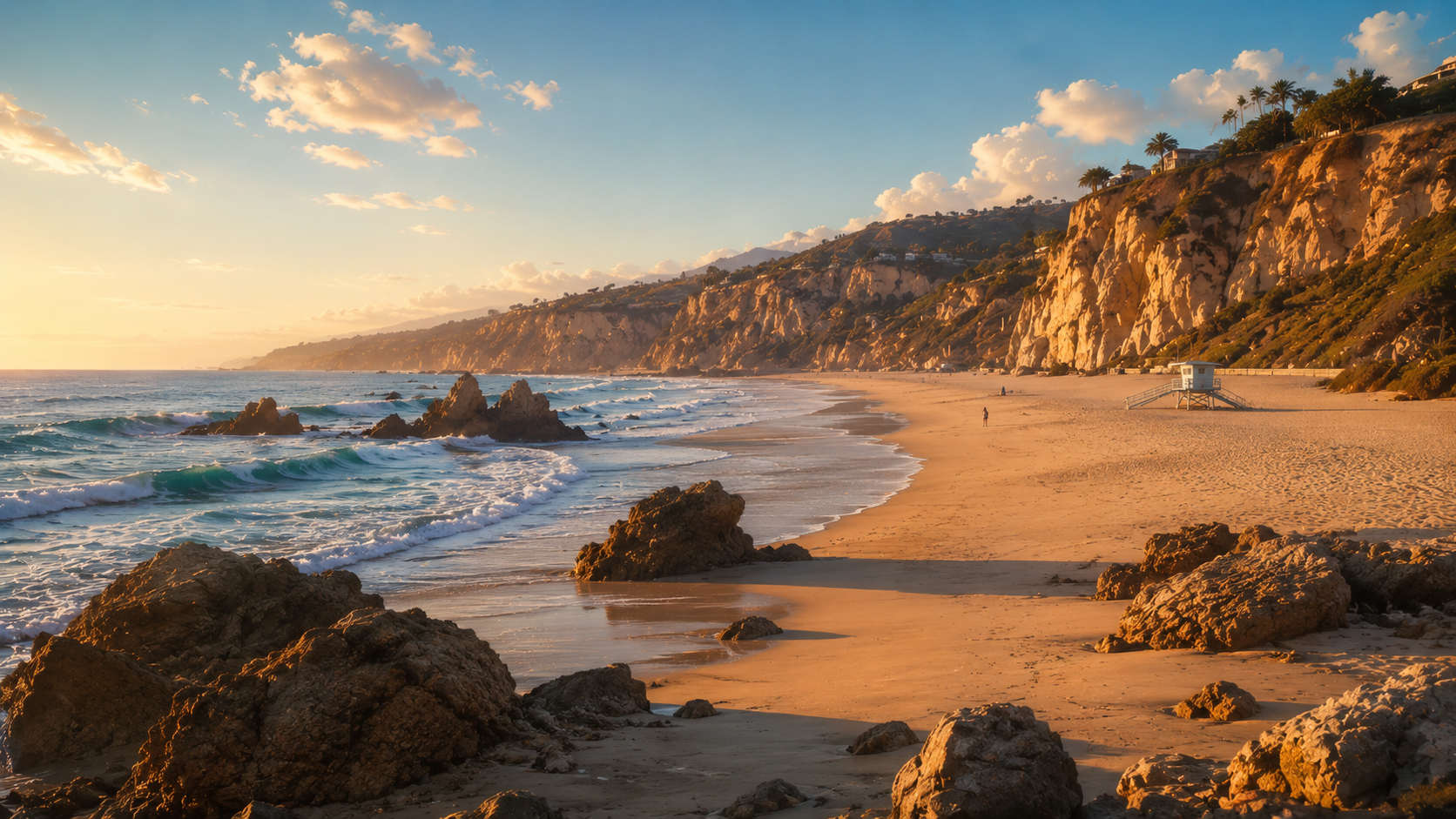
The famous Malibu gray is usually the marine layer: cool, moist ocean air trapped near the surface and capped by warmer air above it. NOAA explains that near the beach, fog can lift into a low cloud layer while the marine layer pushes inland, carrying fog and low clouds with it.
That is why a visitor can arrive for sunrise and find the coast wrapped in soft gray, then see the sky open later as inland heating and coastal mixing help the low clouds retreat.
MalibuDaily translation
Morning fog does not mean the beach day is ruined. It means Fog Princess demanded first billing, and the sun may be scheduled for Act Two.
The Malibu weather cast
Coast vs. canyon
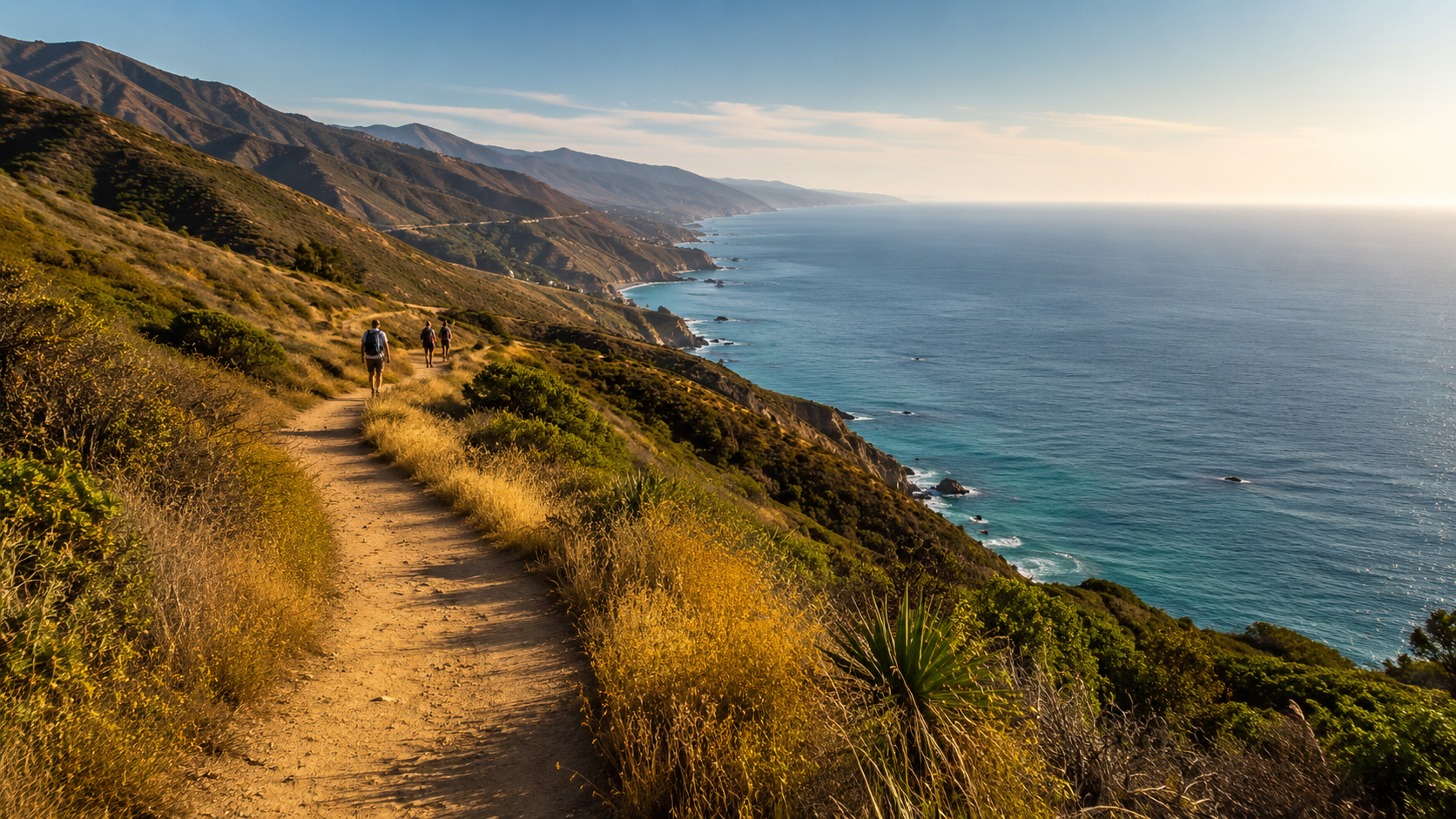
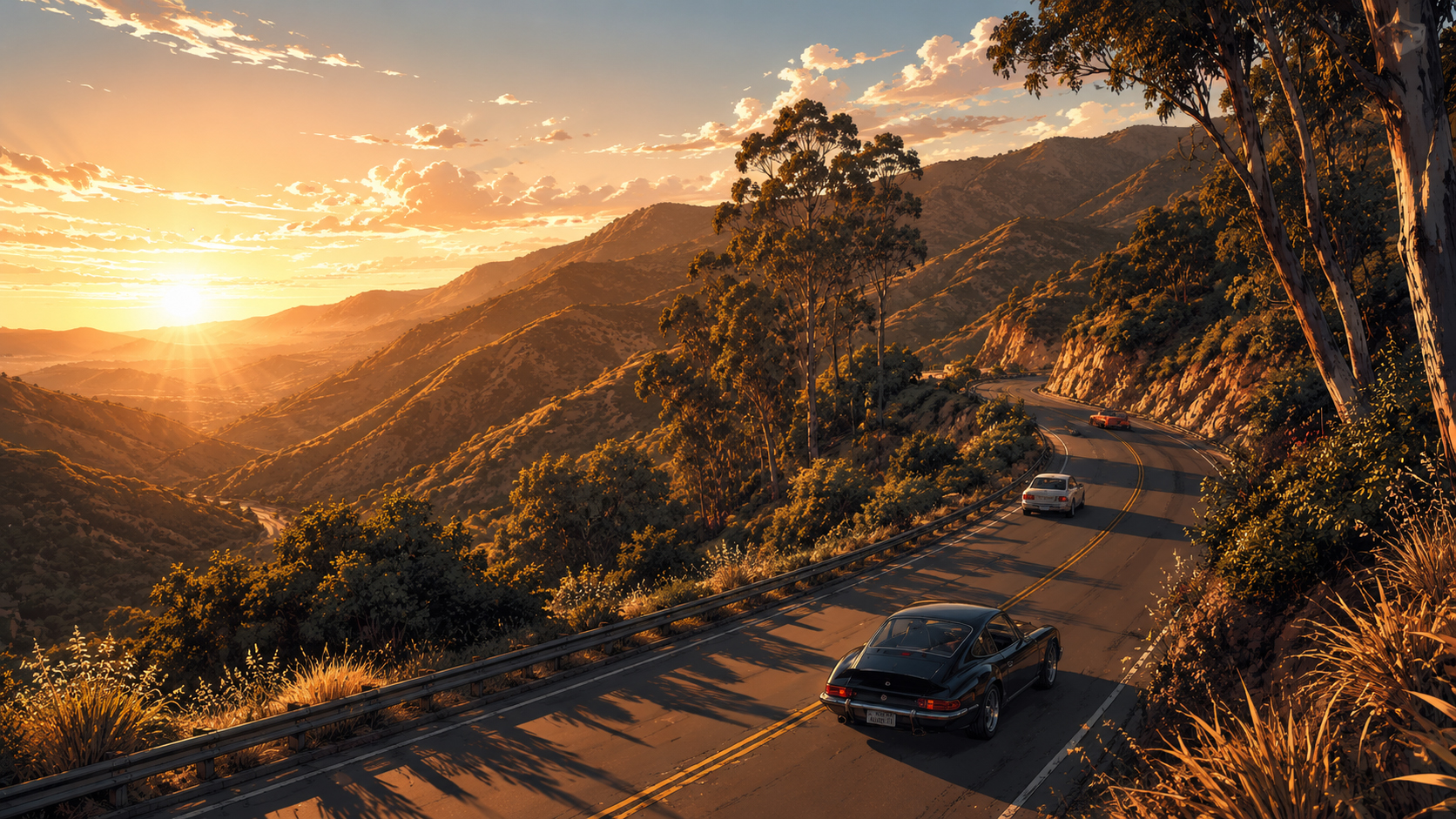
Malibu’s weather has microclimates. The beach may sit under a cool marine layer while canyon roads feel sunnier, warmer, and drier. Later in the day, coastal wind can pick up, fog can return, and canyon shadows can make roads feel completely different from the beach you left.
Driving PCH in fog
PCH is scenic, narrow in places, busy, and full of distractions even in clear weather. In fog or low cloud conditions, assume slower speeds, reduced visibility, more brake lights, and more uncertainty around crossings, parked cars, and beach access points. The ocean will still be there if you arrive five minutes later.
Red flag days are different
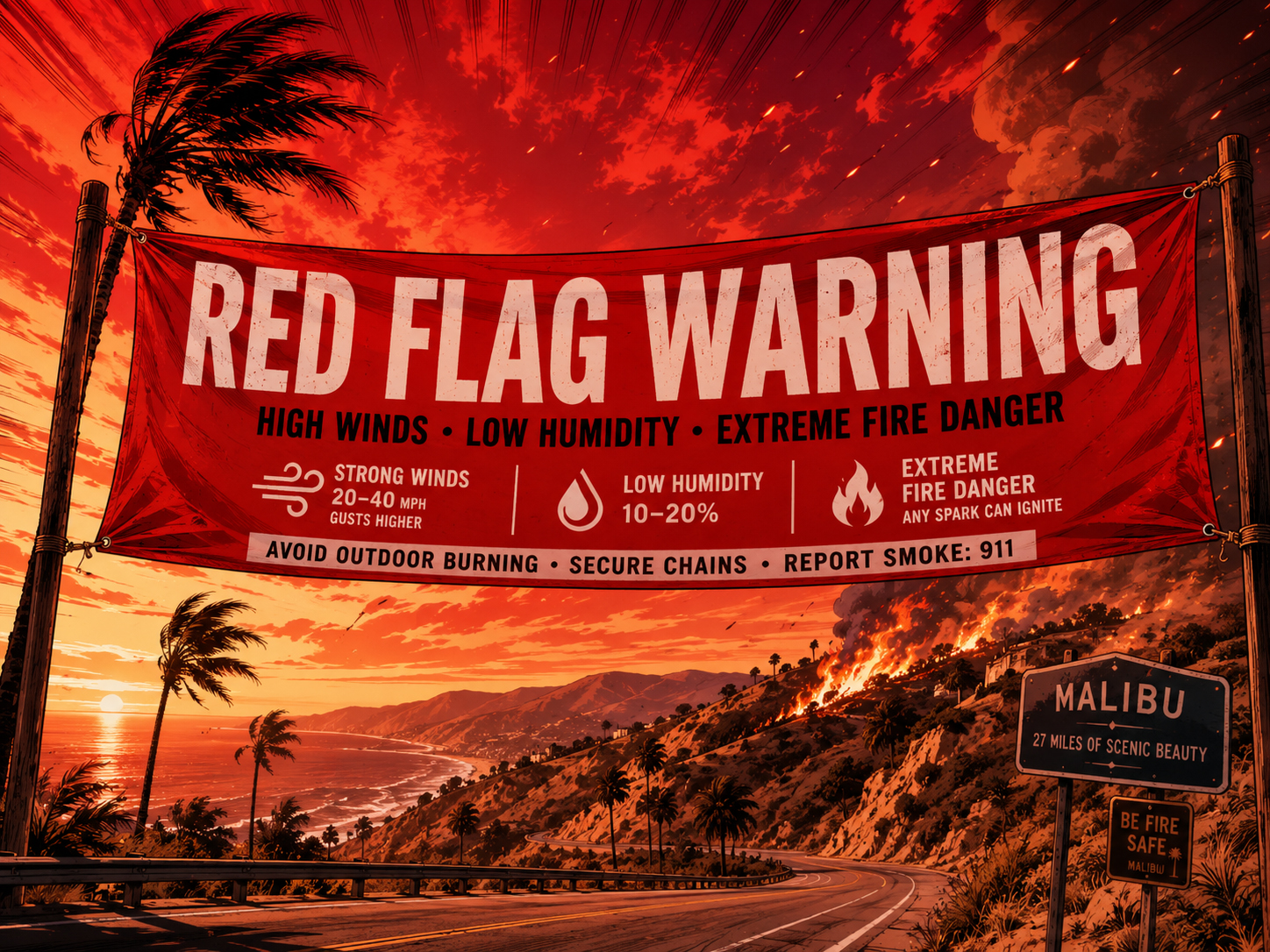
When the forecast shifts toward strong wind, low humidity, and elevated wildfire risk, weather becomes safety infrastructure. Malibu’s official emergency guidance urges residents to review evacuation plans, check go-bags and emergency supplies, and know neighborhood evacuation routes and zones.
Do not treat red flag weather like beach weather.
On red flag days, canyon shortcuts, roadside parking, smoky skies, power conditions, and evacuation routes all matter. Check official alerts before assuming the day is normal.
Beach timing basics
- Morning: Often cooler, quieter, and more likely to be gray or foggy near the water.
- Midday: Often when the marine layer begins to clear, but parking and PCH become harder.
- Afternoon: Better sun odds, more wind potential, heavier return traffic.
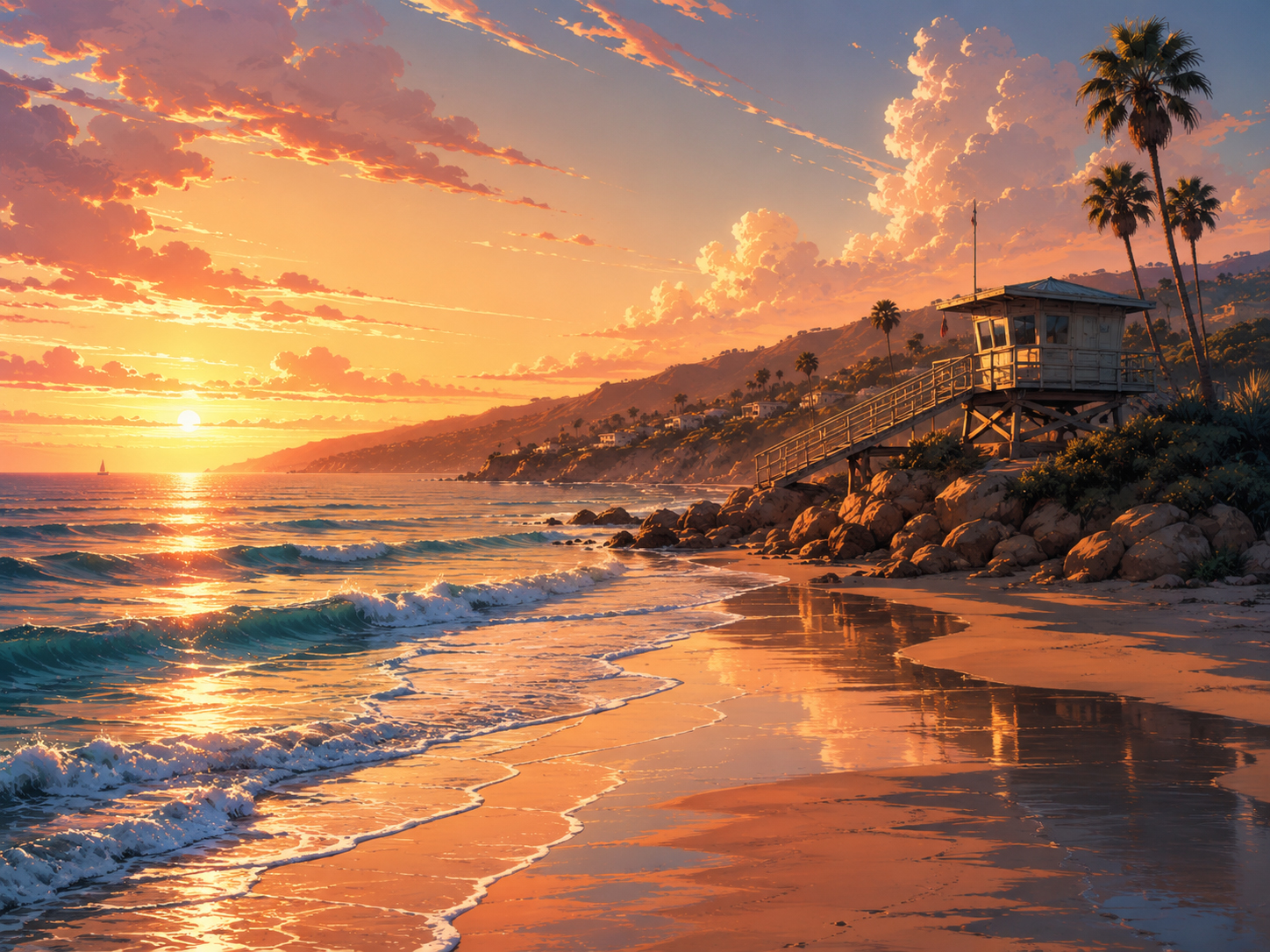
- Evening: Great light, cooler air, possible fog return, and headlights on canyon roads.
Weather checklist before you go
- Check the National Weather Service forecast for Malibu, not just “Los Angeles.”
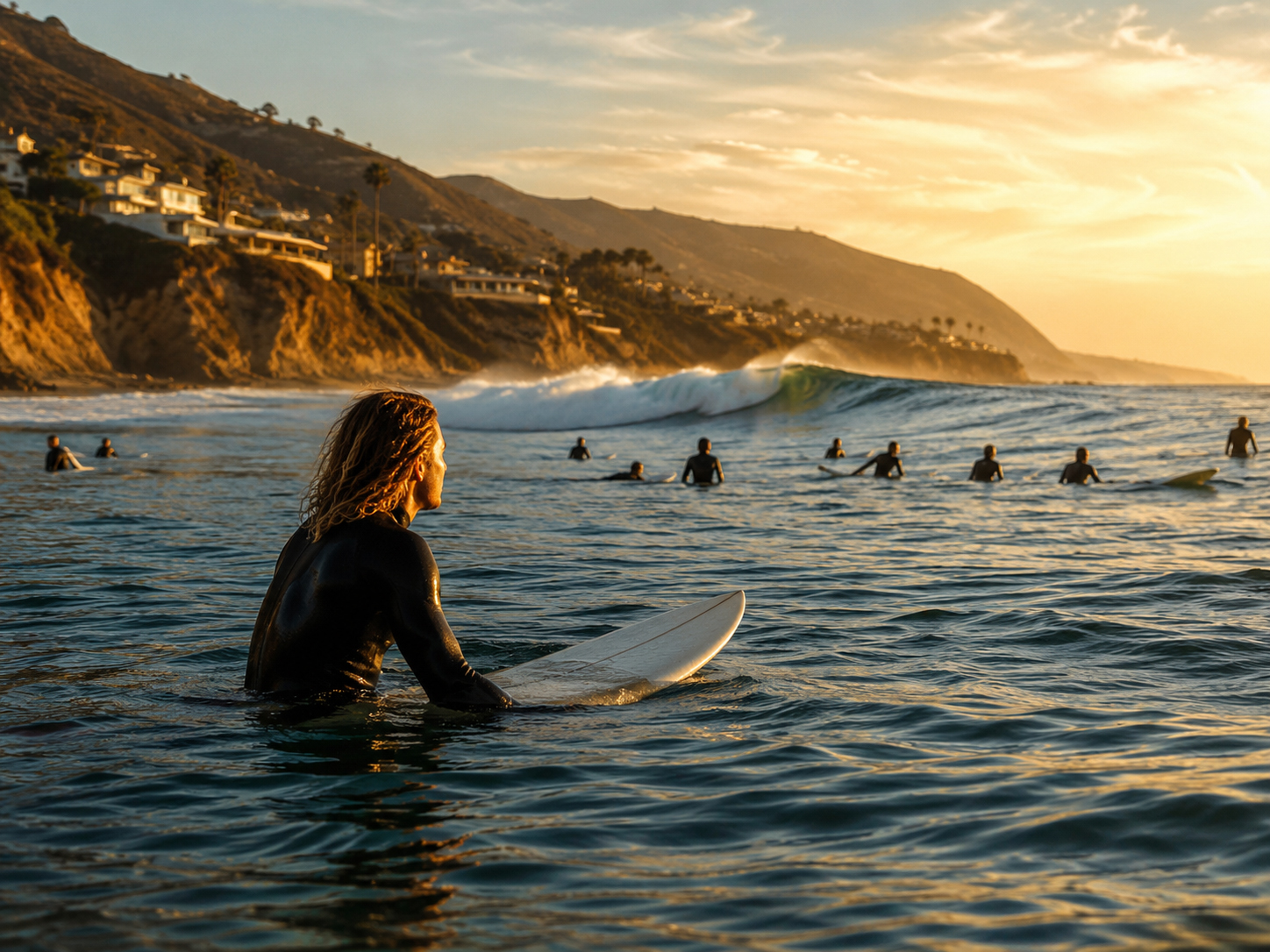
- Check marine conditions if you care about surf, wind, fog, boating, or paddling.
- Check official Malibu emergency alerts during wildfire season or high-wind events.
- Bring layers. Malibu can be chilly at the beach and warm in the canyon on the same trip.
- Do not rely on a single photo, influencer post, or inland temperature to predict the coast.
Simple forecast rule
If the morning looks gloomy, check the hourly forecast before quitting. If the forecast says red flag, stop romanticizing the wind and check official safety sources.