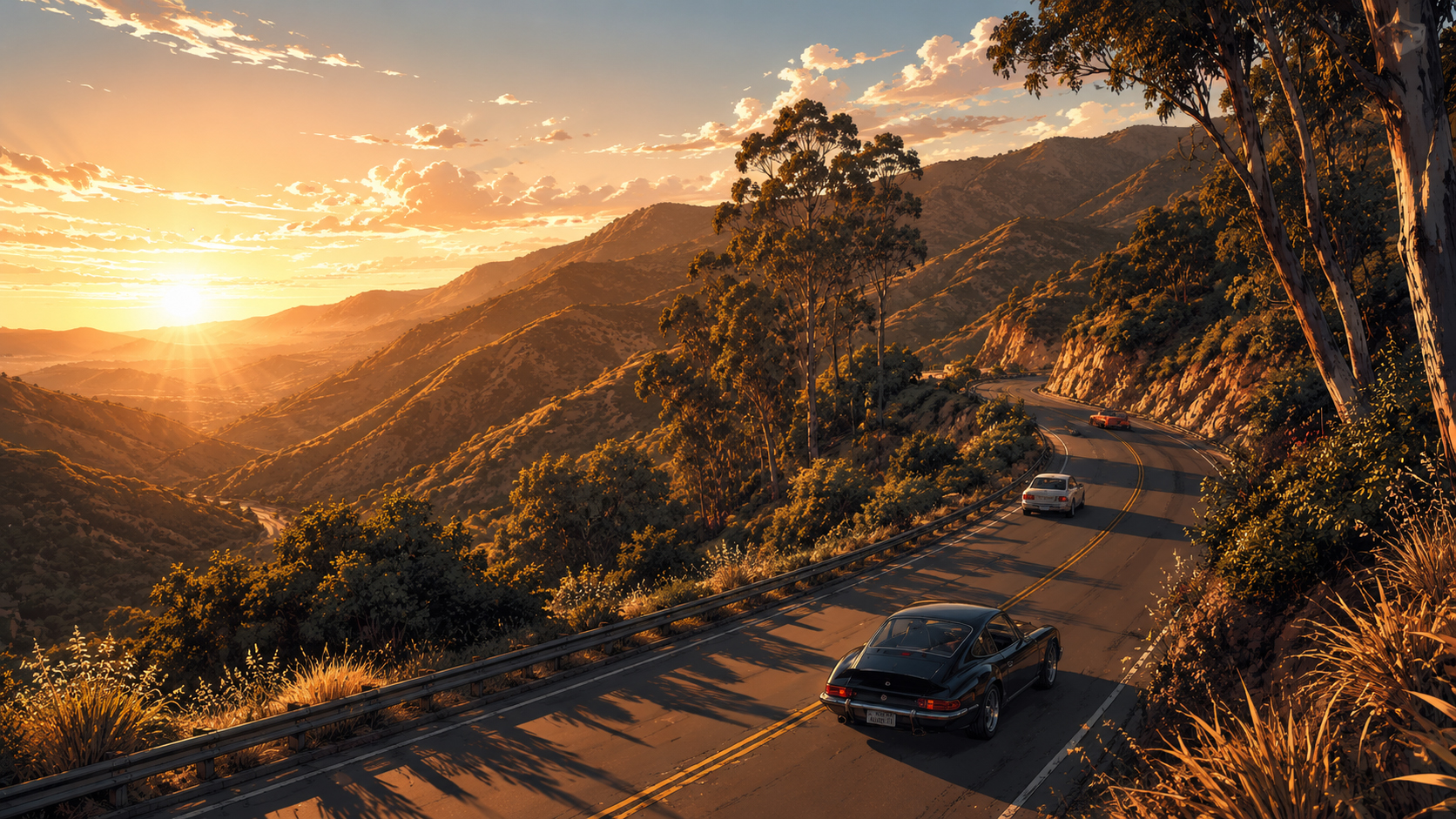
The canyon is beautiful, but it is not casual.
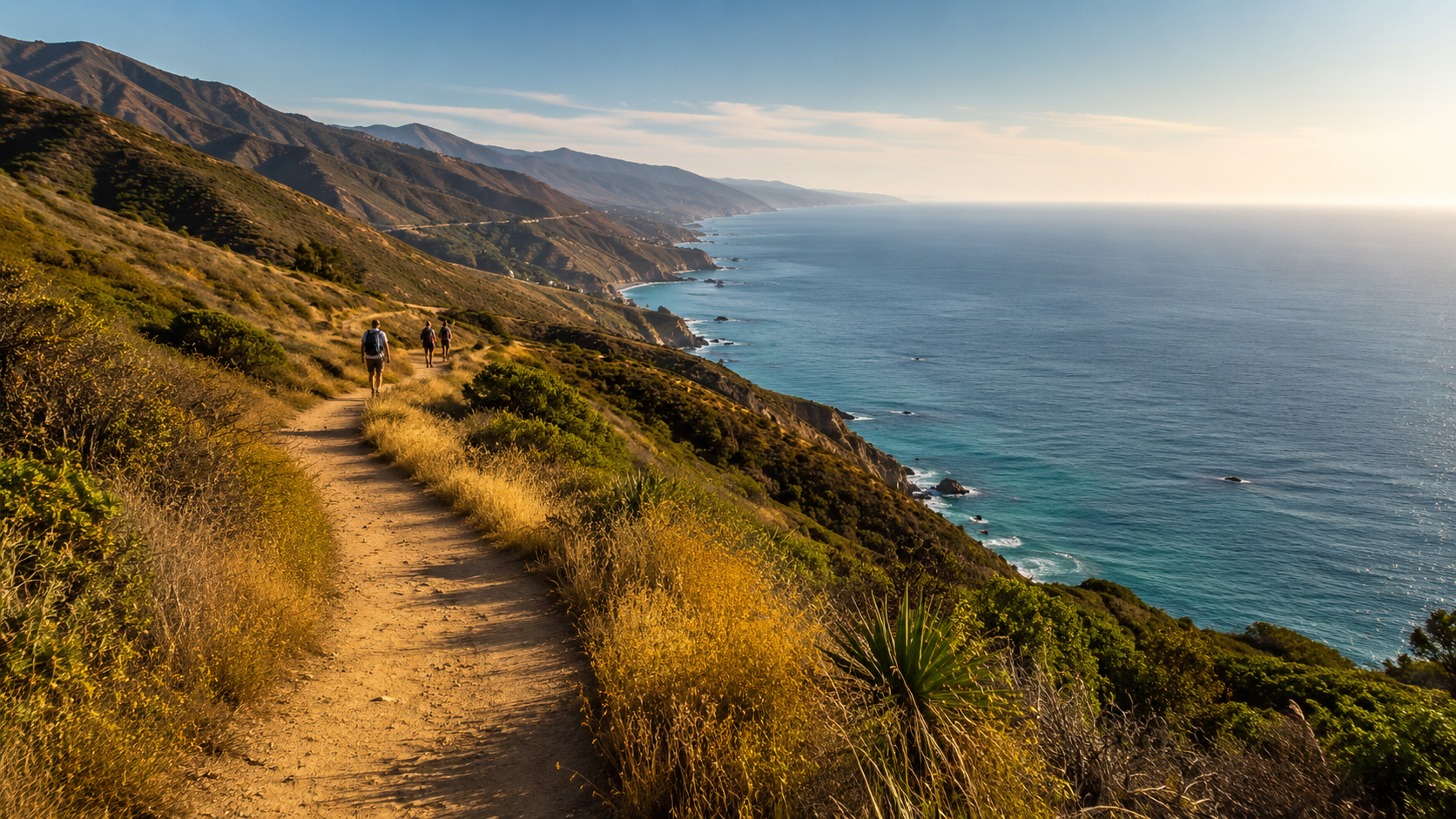
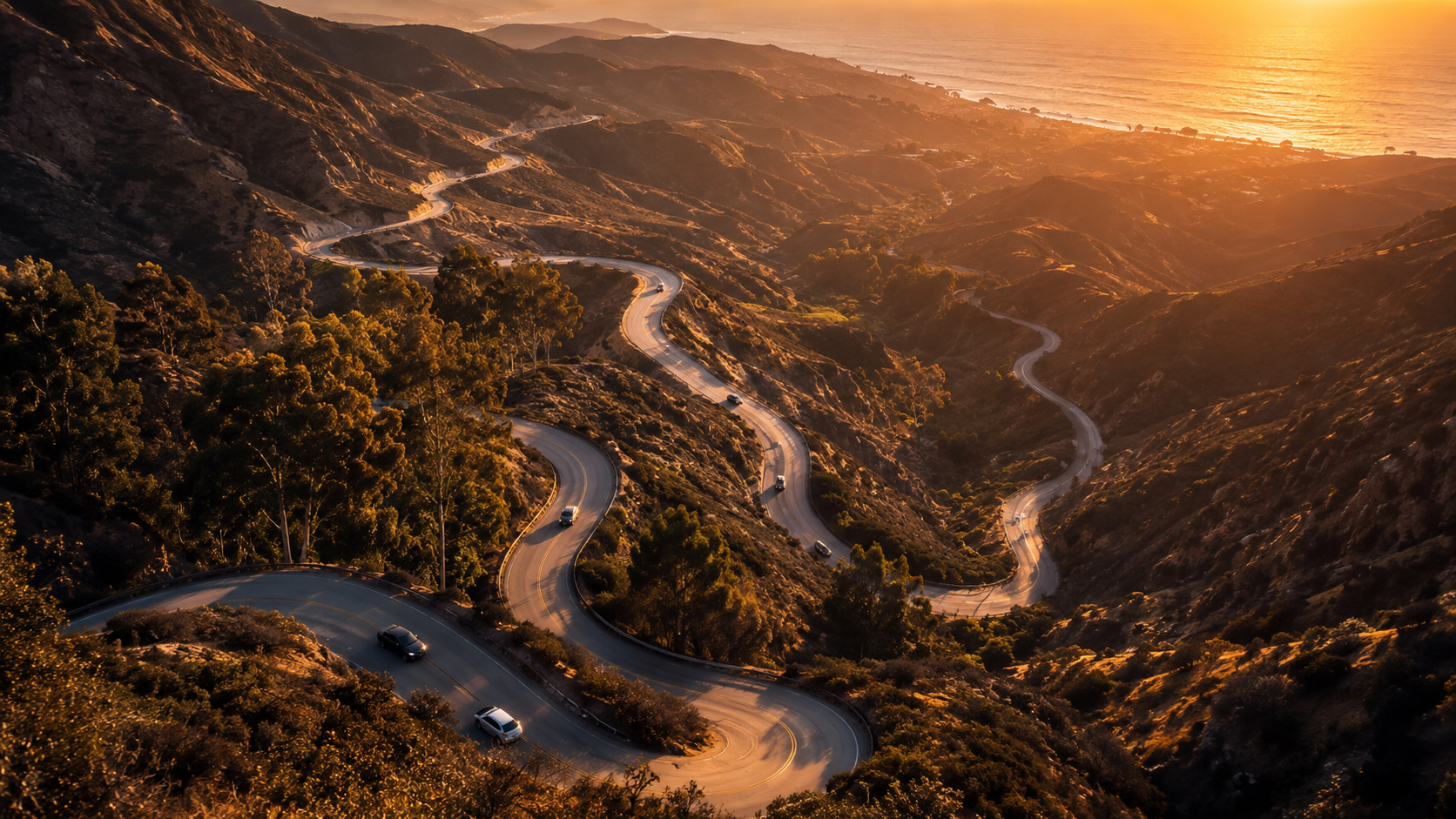
Malibu canyon driving can feel cinematic: ocean behind you, chaparral ahead, sandstone walls glowing in late light, and a ribbon of asphalt bending through the hills. Then the lane narrows, the curve tightens, a cyclist appears, and the romance becomes a steering assignment.
That is the basic Malibu canyon rule: enjoy the view, but drive the road. The road does not care about your playlist, your reservation, or your belief that the shortcut should be faster.
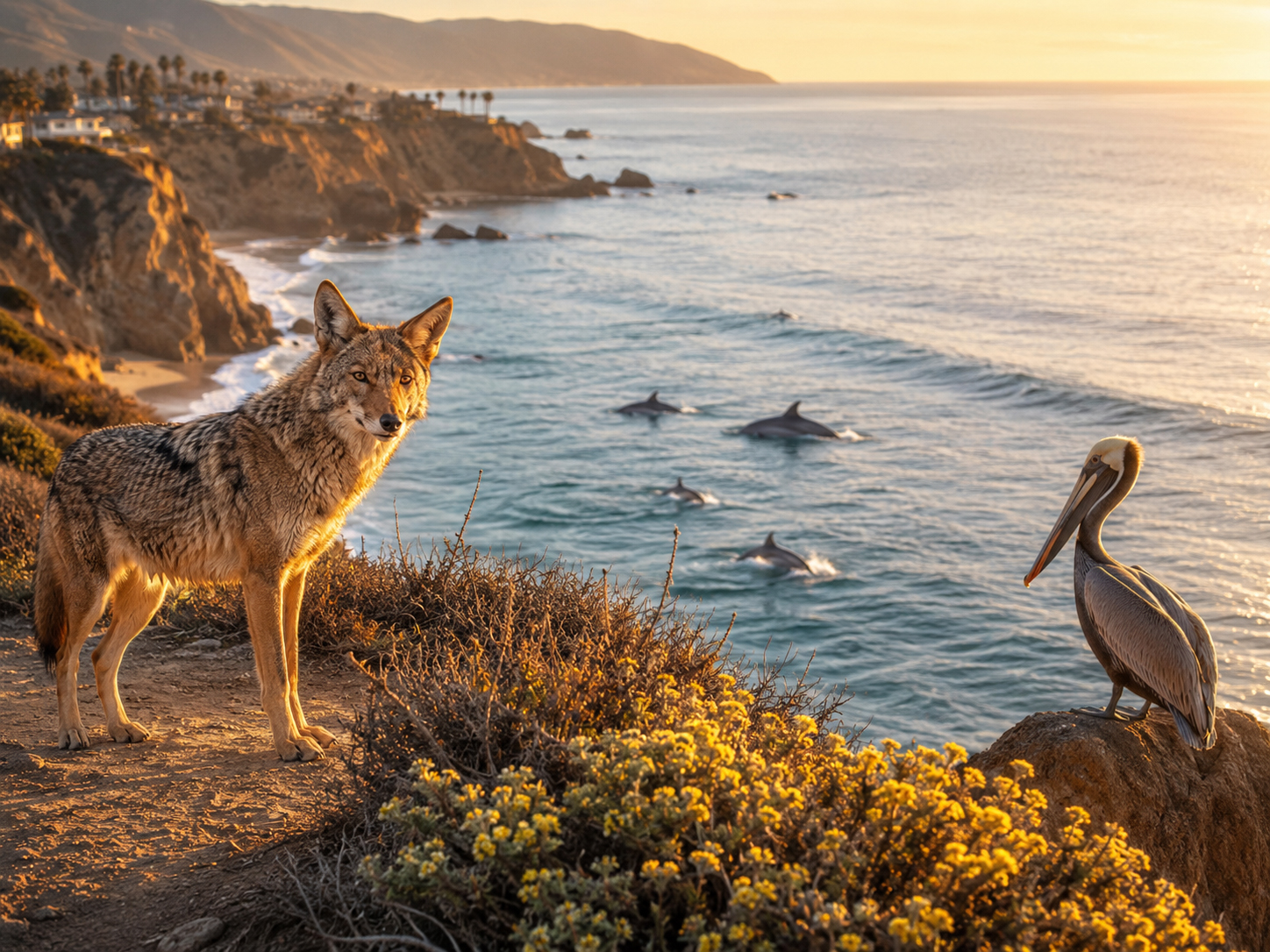
Canyon Coyote’s first lesson
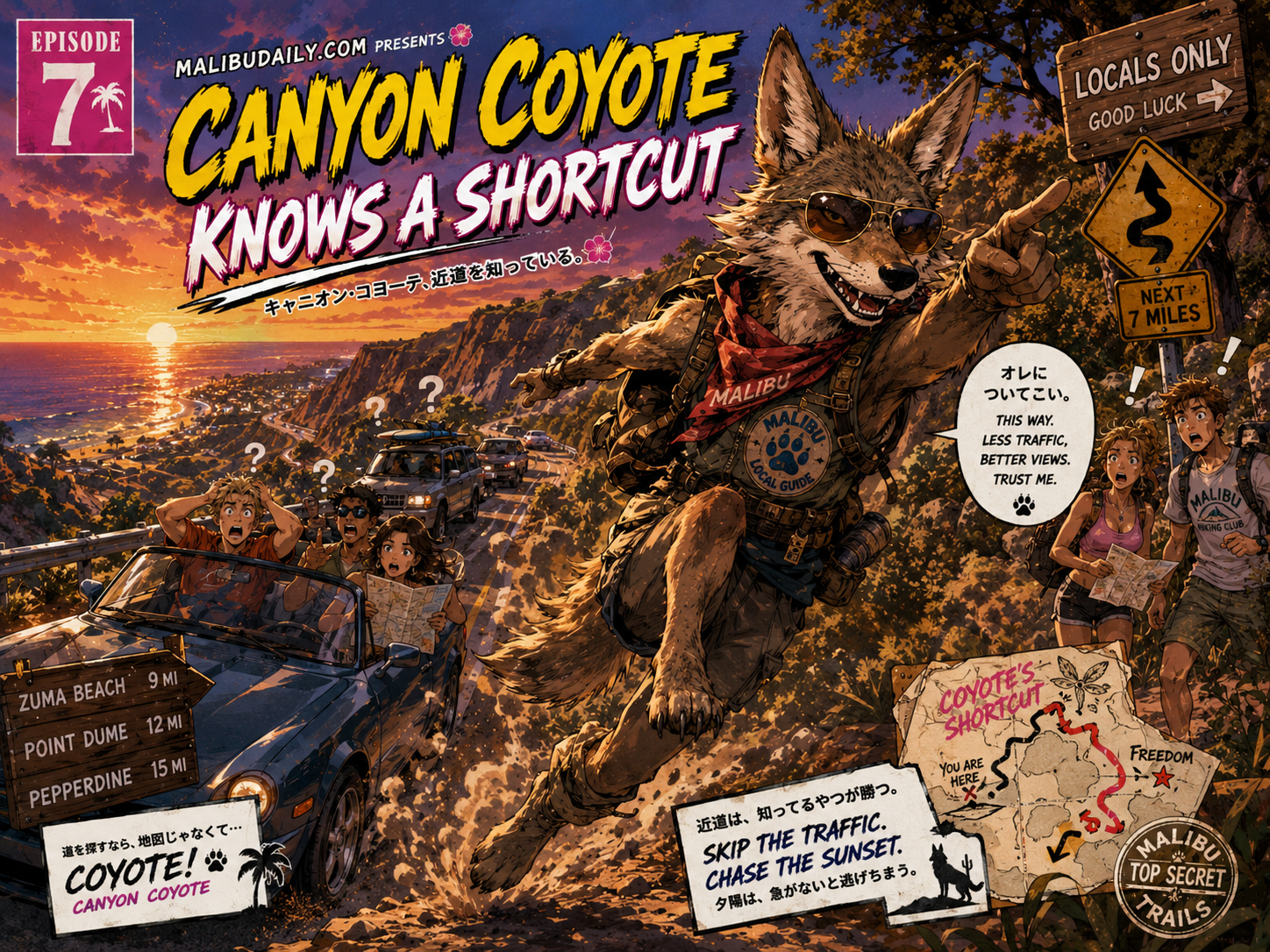
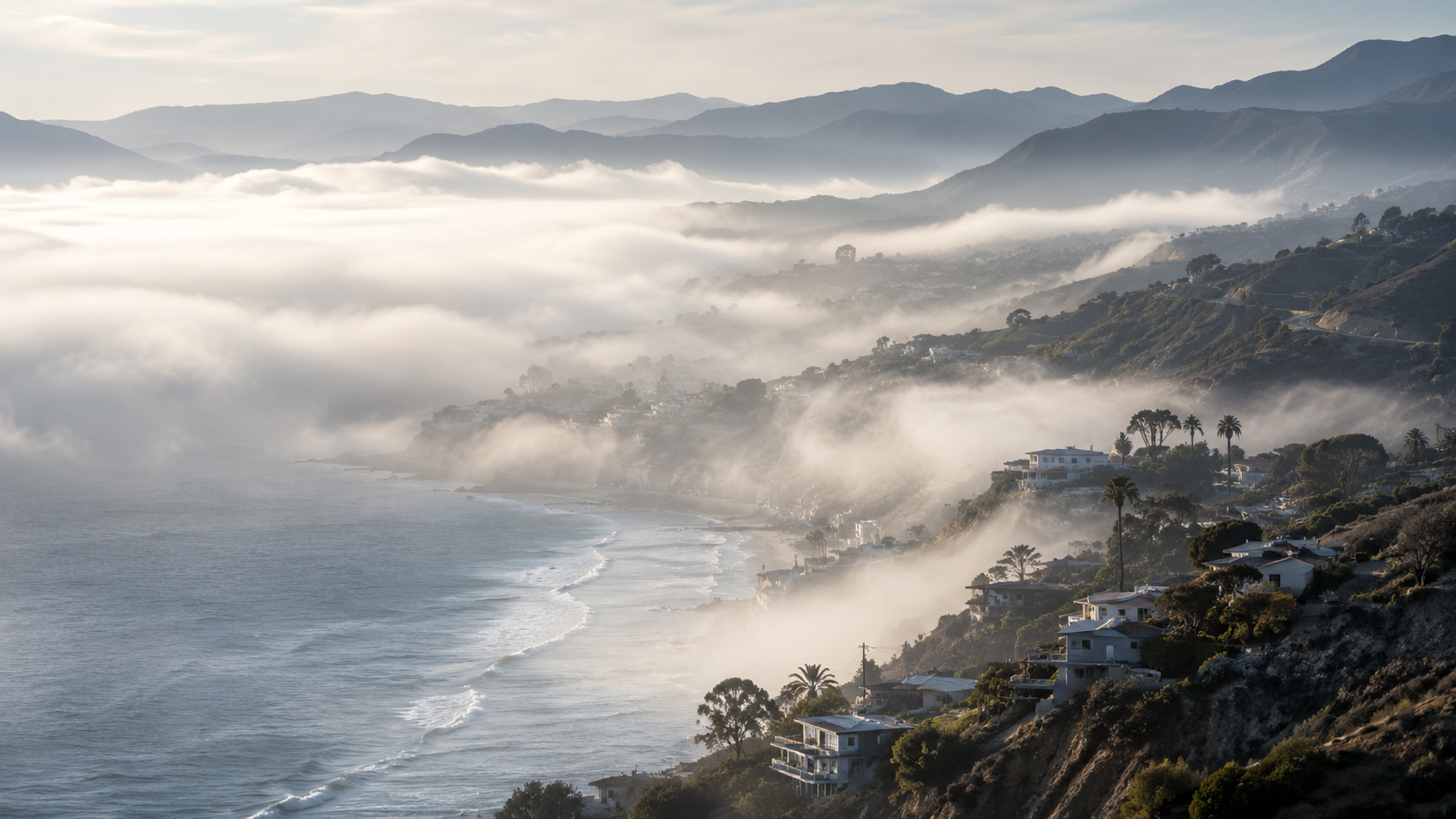
A shortcut is only a shortcut when conditions agree. Fog, fire alerts, closures, rockfall, weekend traffic, and one hesitant rental car can turn the back way into the long way.
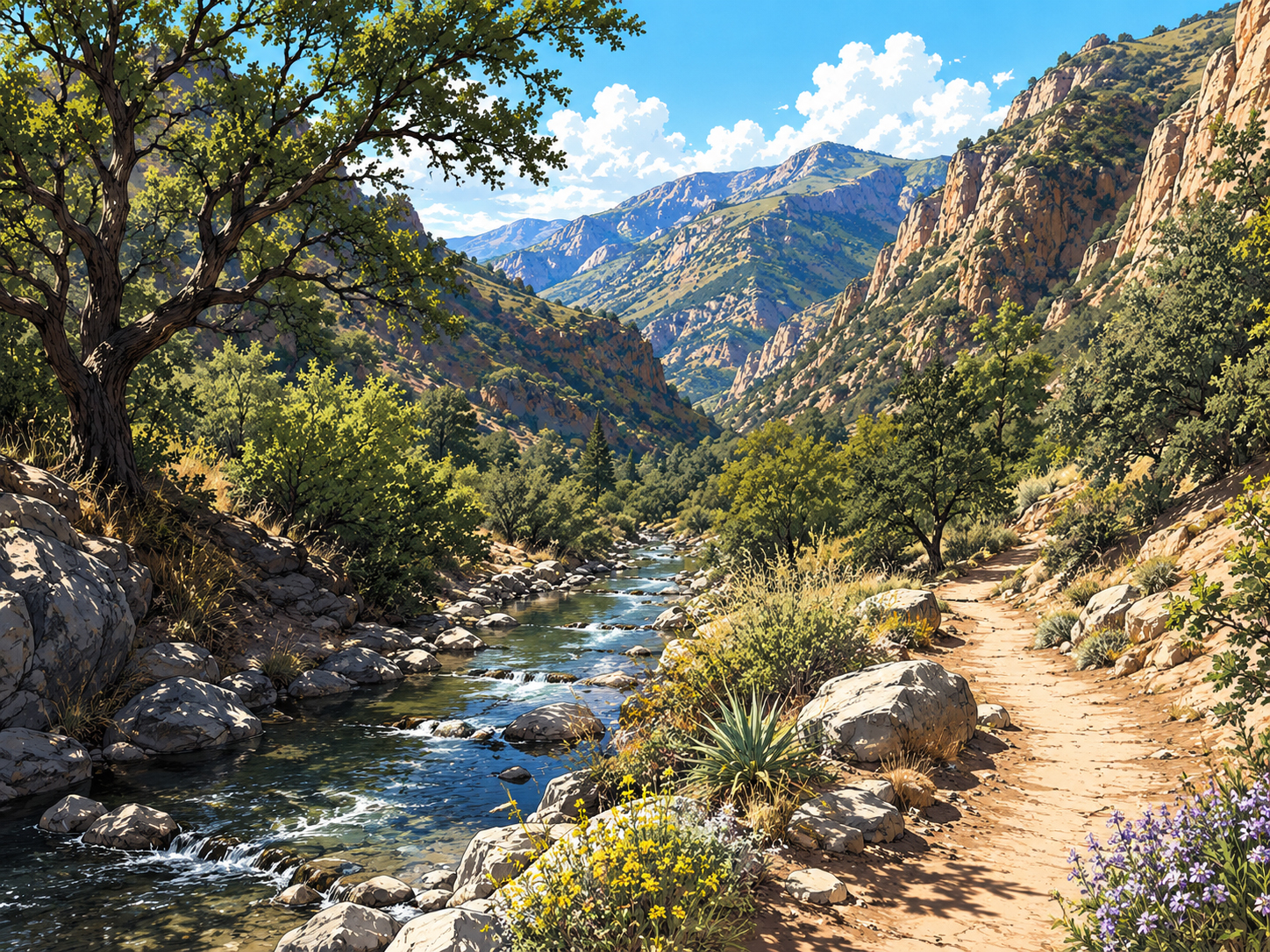
Every canyon has a mood
Some roads feel open and scenic. Some feel tight, shadowed, and technical. Some invite tourists to pull over for photos. Others behave like a final exam in lane discipline. Malibu canyon roads reward patience, daylight, and respect for curves.

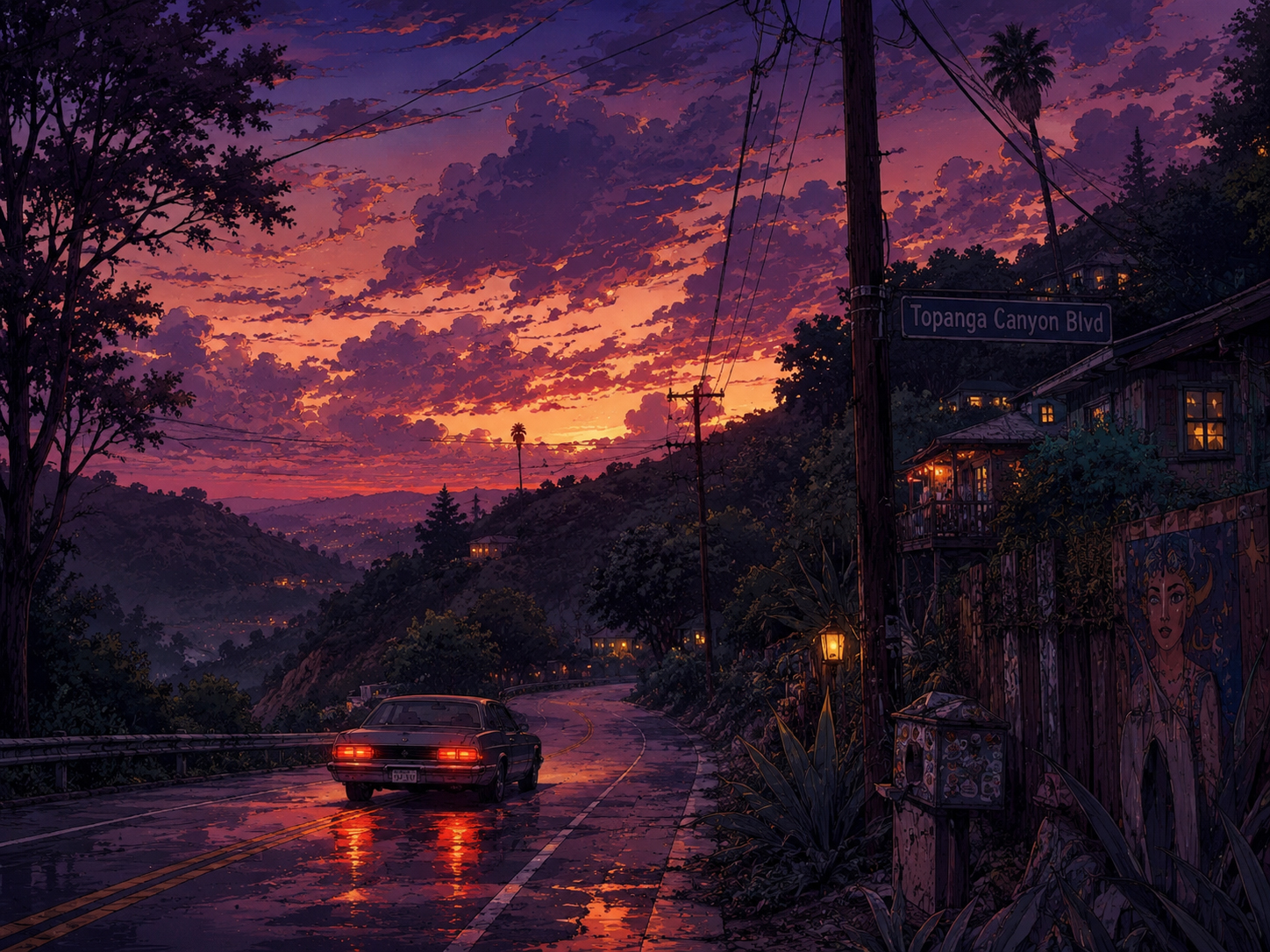
PCH and the canyons are connected problems
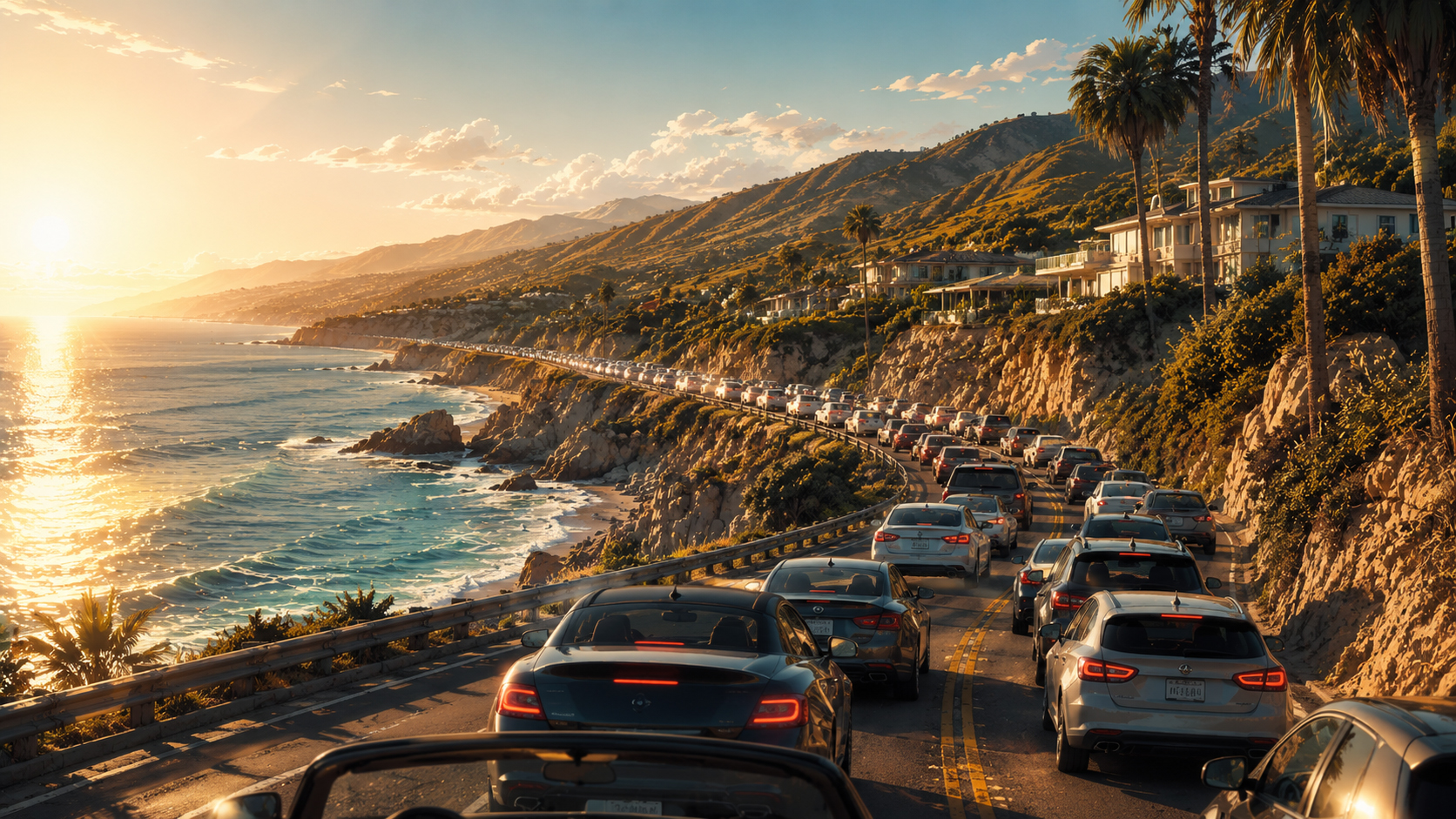
When PCH slows down, drivers look inland. When canyon roads clog, drivers spill back toward the coast. Malibu traffic is a living organism with oceanfront nerves and canyon arteries. The best plan is usually not “take the canyon.” The best plan is knowing which canyon, at what time, and why.
For visitors, the simplest approach is to choose one major route, leave extra time, avoid aggressive passing, and accept that Malibu is not built like a grid. The map may look simple. The terrain disagrees.
Practical canyon-road checklist
Check closures, fire weather, fog, daylight, fuel or charge, cell coverage, and your turnaround options. Do not assume every canyon route is equally comfortable for every driver.
Fire season changes the conversation
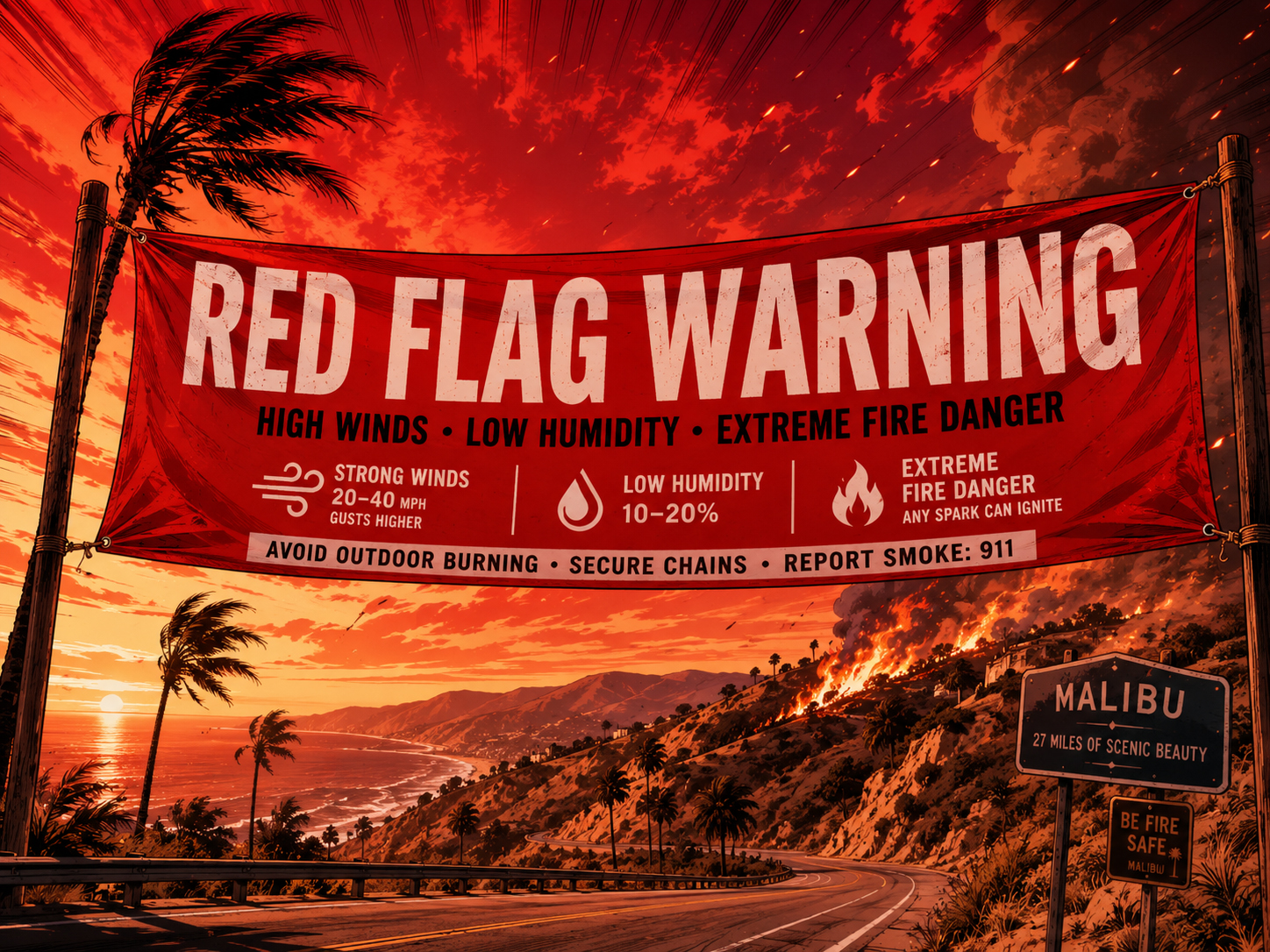
In Malibu, canyon roads are also evacuation routes, access routes, and bottlenecks. Red-flag weather is not just a background condition; it changes how people should think about parking, stopping, sightseeing, brush, and exit timing.
When alerts are active, the canyon is not a scenic detour. It is infrastructure. Treat it that way.
The MalibuDaily translation
Malibu canyon roads are gorgeous, dramatic, useful, and occasionally humbling. They are where the beach day becomes a driving chapter, the shortcut becomes a personality test, and Canyon Coyote appears at dusk to say, “I knew another way, but you were not ready.”